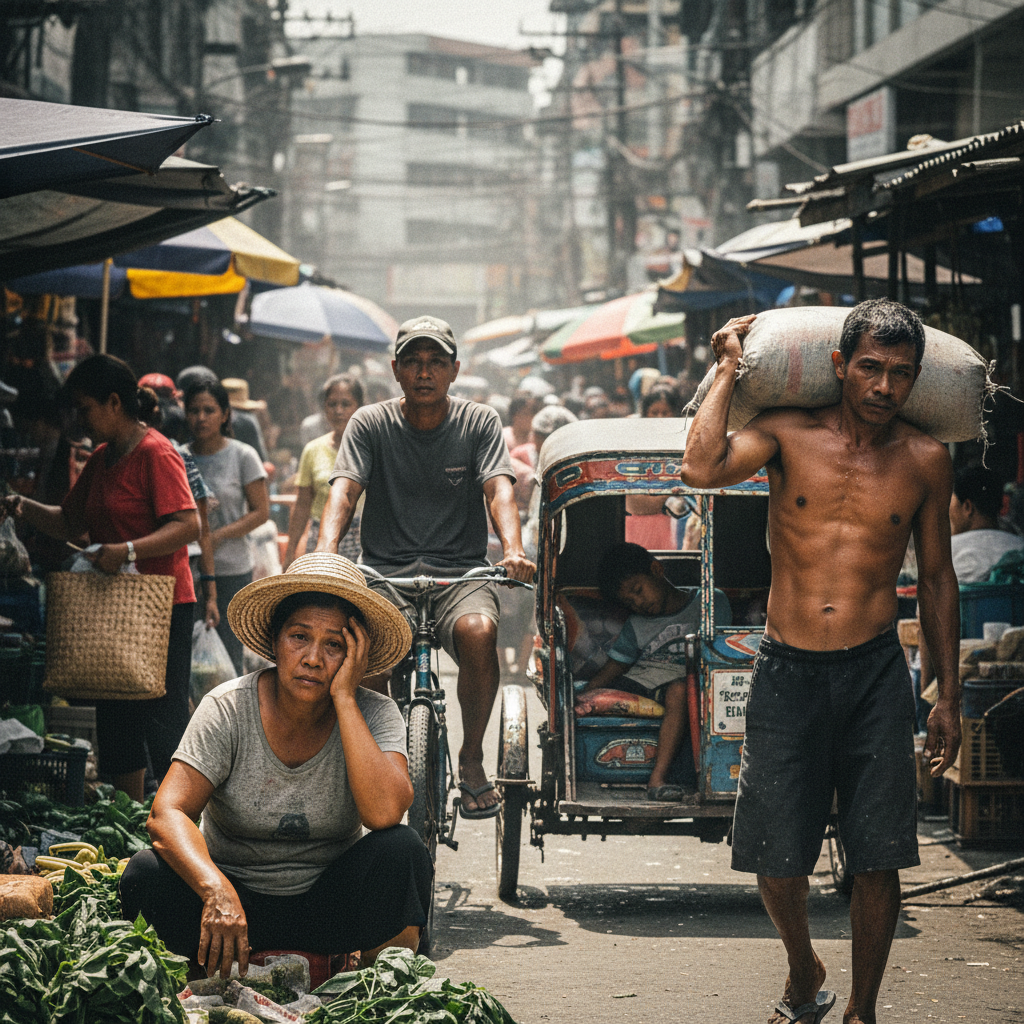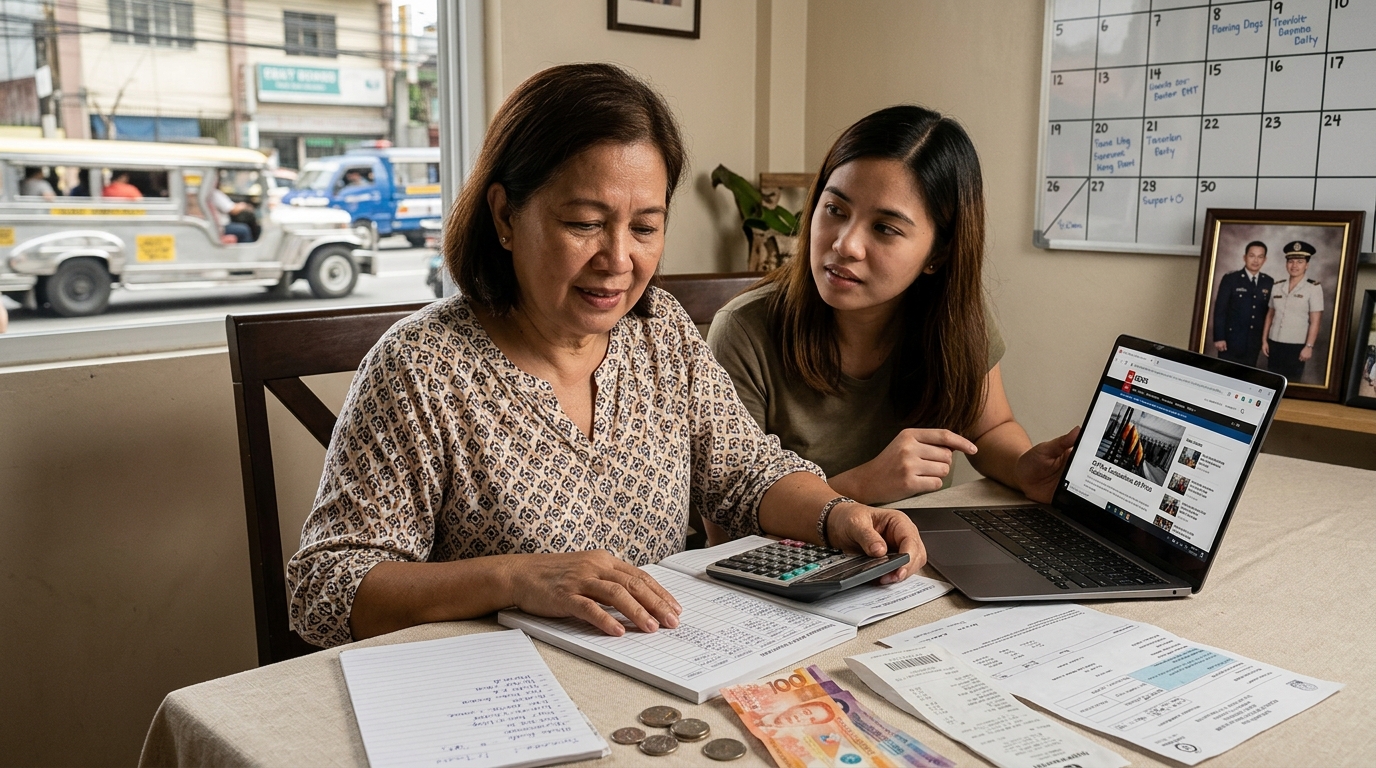
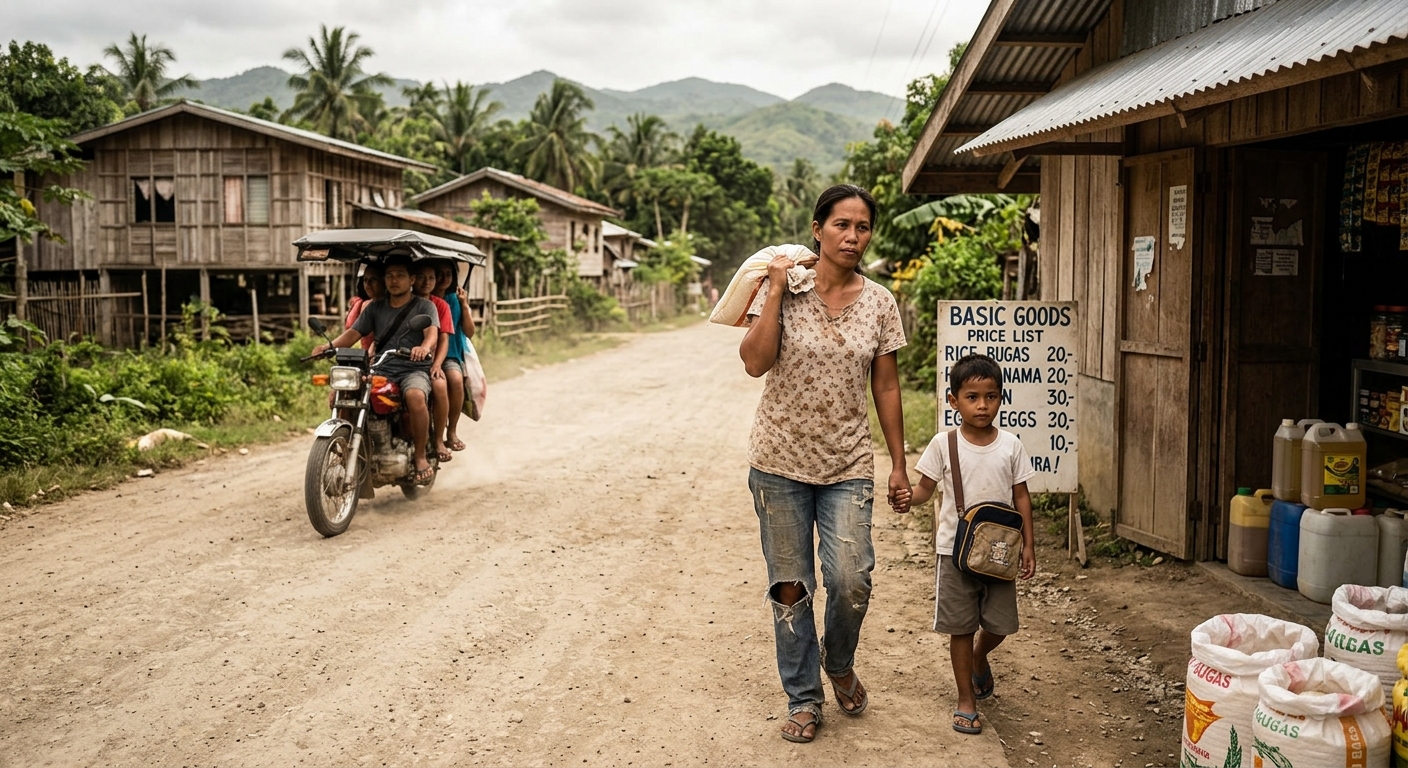
While the world admires Bohol as a serene UNESCO Global Geopark, local families in the lower-income bracket are navigating a much more turbulent reality. On May 1, 2026, the Philippine Statistics Authority (PSA) released a sobering update: inflation for Bohol's bottom 30% income households accelerated sharply to 3.9% in March, nearly double the 2.1% recorded just a month earlier. This financial squeeze is primarily driven by a "double whammy" of rising rice prices and a massive spike in transportation costs. For those living on the margins, the cost of moving goods and putting food on the table is rapidly outpacing the stability seen in other sectors of the provincial economy.
The Heavy Burden of the Basic Plate
For the bottom 30% of earners in Bohol, food and non-alcoholic beverages represent over 58% of their total monthly spending, making any price hike in this category immediate and painful. In March 2026, food inflation for this group climbed to 4.4%, a significant shift from the negative figures seen in previous years. The primary culprit is the rice price index, which swung from a deflationary -2.4% in February to a positive 4.7% in March. Corn prices followed a similarly aggressive path, surging by 20.5%, further straining the budgets of families who rely on these grains as their primary caloric intake.
The High Cost of Moving Around
Beyond the kitchen, the most staggering data point in the PSA report was the explosion in transportation costs, which skyrocketed from 4.0% in February to 13.9% in March. This surge is largely attributed to the ripple effects of global oil volatility affecting local pump prices and public transit fares across the island. Since transport accounts for roughly a quarter of a low-income family’s budget, this ten-point jump has forced many to choose between essential travel and other basic needs. This "mobility tax" is particularly difficult for those in rural areas of Bohol who must travel long distances to reach urban markets or workplaces.
A Call for Strategic Austerity
In response to these climbing figures, provincial leaders and the Bohol Chamber of Commerce are urging residents to adopt more disciplined spending habits as part of a "belt-tightening" phase. PSA Chief Supervising Statistician Jessamyne Anne Alcazaren noted that while Bohol’s inflation remains lower than the regional average, the rapid month-on-month acceleration requires sustained vigilance. The provincial government continues to monitor these trends under its Strategic Change Agenda, focusing on food security to mitigate the impact of external price shocks. As the 2026 dry season continues, the ability of local families to remain resilient will depend heavily on the stabilization of staple grain supplies and fuel costs.
TAGS: