
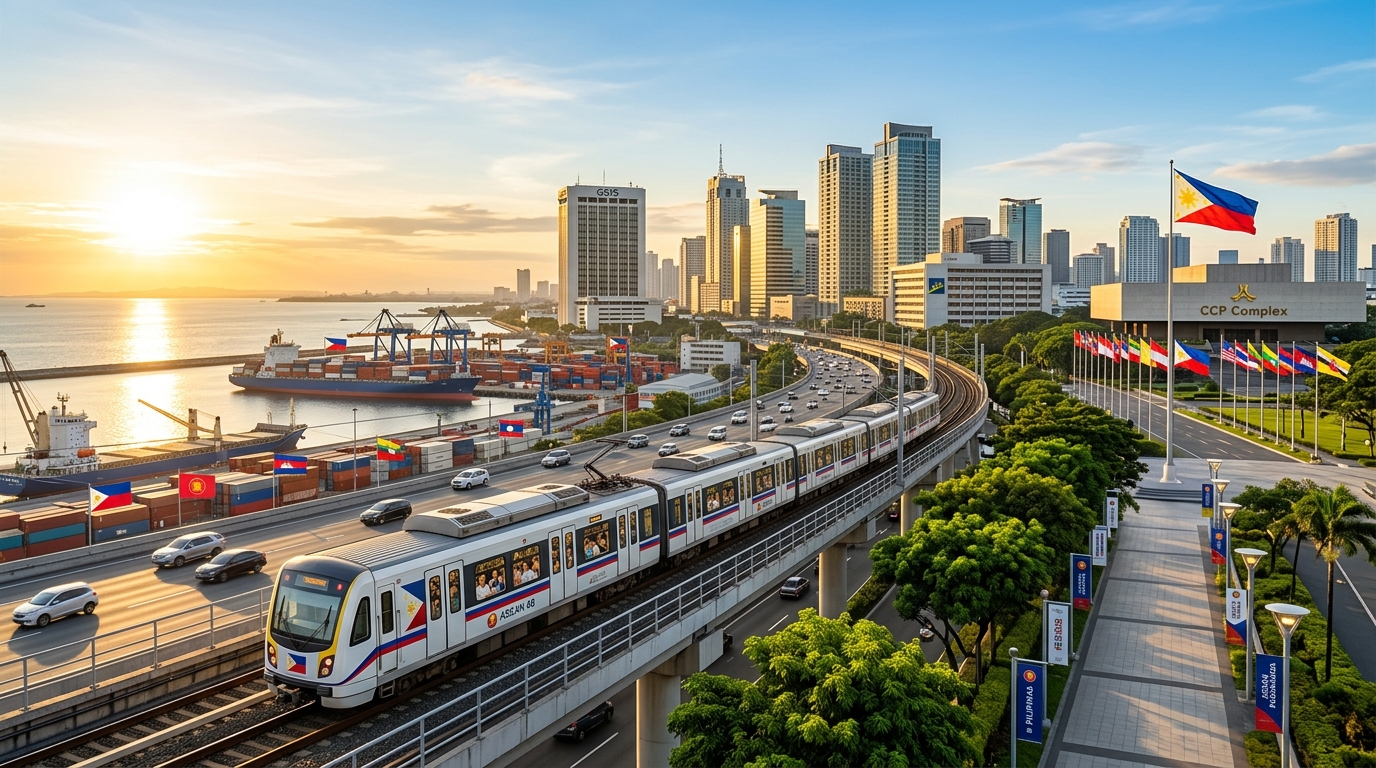
The 48th ASEAN Summit in Cebu is not just a high-level diplomatic gathering; it is a tactical response to the immediate economic and security challenges facing Filipinos today. Under the theme “Navigating Our Future, Together,” the summit addresses the "Supply Chain Shock" caused by Middle East tensions that have impacted local fuel and food prices. For the first time, regional leaders are integrating the safety of migrant workers directly into economic resilience strategies, ensuring that the nearly 700 million people within the bloc—including the vast Filipino diaspora—are protected from external geopolitical disruptions. As the Philippines takes the chairship, the focus remains on transforming regional opportunity into measurable gains for every household from Basak to Berlin.
Shielding Overseas Filipinos from Global Conflict
A cornerstone of the 2026 summit is the absolute protection of Southeast Asian nationals working abroad, particularly in the conflict-prone regions of the Middle East. President Ferdinand Marcos Jr. emphasized that the safety of overseas Filipinos is a "pressing imperative," recognizing their massive contributions to both the domestic and regional economies. The summit seeks to formalize regional protocols for the rapid evacuation and welfare support of migrant workers during international crises. This shift ensures that Filipinos abroad are no longer seen just as economic providers, but as vital citizens whose security is integrated into the bloc’s political-security pillar.
Stabilizing the Filipino Pantry and Power Grid
For locals in the Philippines, the summit’s focus on energy and food security serves as a direct response to the national energy emergency and soaring commodity costs. Regional leaders are working to accelerate energy diversification and build "prosperity corridors" that reduce the country’s vulnerability to oil supply chain disruptions in the Strait of Hormuz. By fortifying regional food supplies and ensuring the free flow of essential goods, the summit aims to lower the "inflation tax" on Filipino families. These high-level discussions are already translating into local action, with digital tools being expanded to support workers in sectors most hit by fuel price hikes.
Cebu as the Launchpad for Small Business
Beyond diplomacy, the summit is turning Cebu into a strategic gateway that connects local micro, small, and medium enterprises (MSMEs) to a massive regional market of over 600 million people. DTI officials are leveraging the summit to simplify export rules and lower tariffs, allowing homegrown Filipino brands to compete on a global scale. The influx of thousands of delegates has provided an immediate boost to the Visayas hospitality and transport sectors, while long-term infrastructure upgrades in Mactan and Cebu City are attracting fresh international investment. This "Economic Integration" means that Filipino innovation—from tech startups to artisanal crafts—is being positioned as a central driver of the world's fifth-largest combined economy.
TAGS: