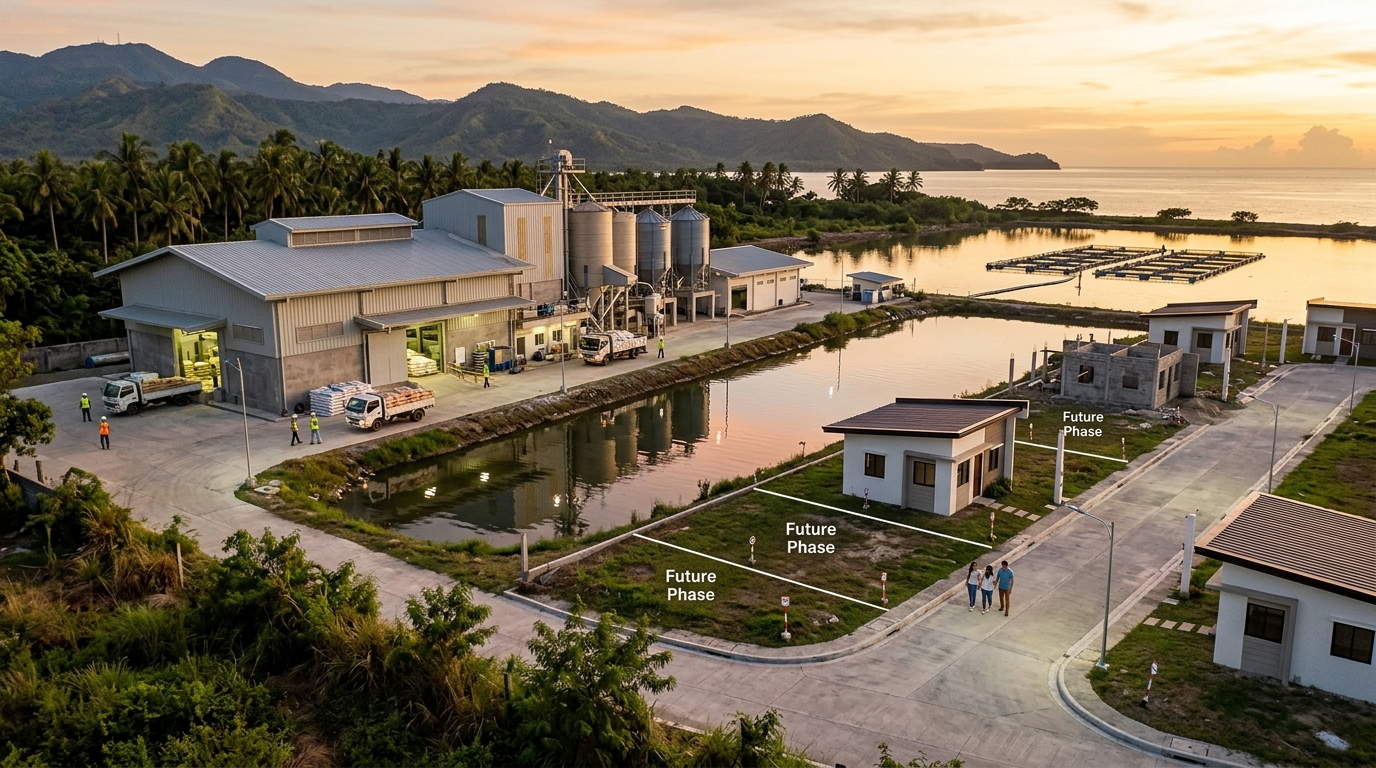
ILOILO CITY — The April 27, 2026 inauguration of a P30-million aquaculture feed mill in Tigbauan, Iloilo, is being read by the local real estate sector as more than an agricultural milestone. The medium-scale facility, nestled within the Southeast Asian Fisheries Development Center/Aquaculture Department (SEAFDEC/AQD) complex in Barangay Buyu-an, promises to cut production costs for over 6,240 fish farmers. For property developers and investors eyeing the province's coastal municipalities, the plant's capacity to produce up to eight metric tons of feeds daily signals a stabilizing force that could reshape residential and commercial land values across Western Visayas' aquaculture-dependent communities.
Lower Feed Costs Translate to Stronger Household Incomes
Feed expenses have long consumed as much as 60 to 70 percent of total operating costs for fish farmers, squeezing the budgets of households reliant on aquaculture for their daily bread. Director Remia Aparri of the Bureau of Fisheries and Aquatic Resources Region 6 (BFAR-6) confirmed the new plant will bring feed prices down by roughly P7 per kilogram compared to commercial alternatives. When multiplied across the 6,240 fisherfolk who will directly access the affordable, science-based formulations, the cumulative savings amount to thousands of pesos annually per household.
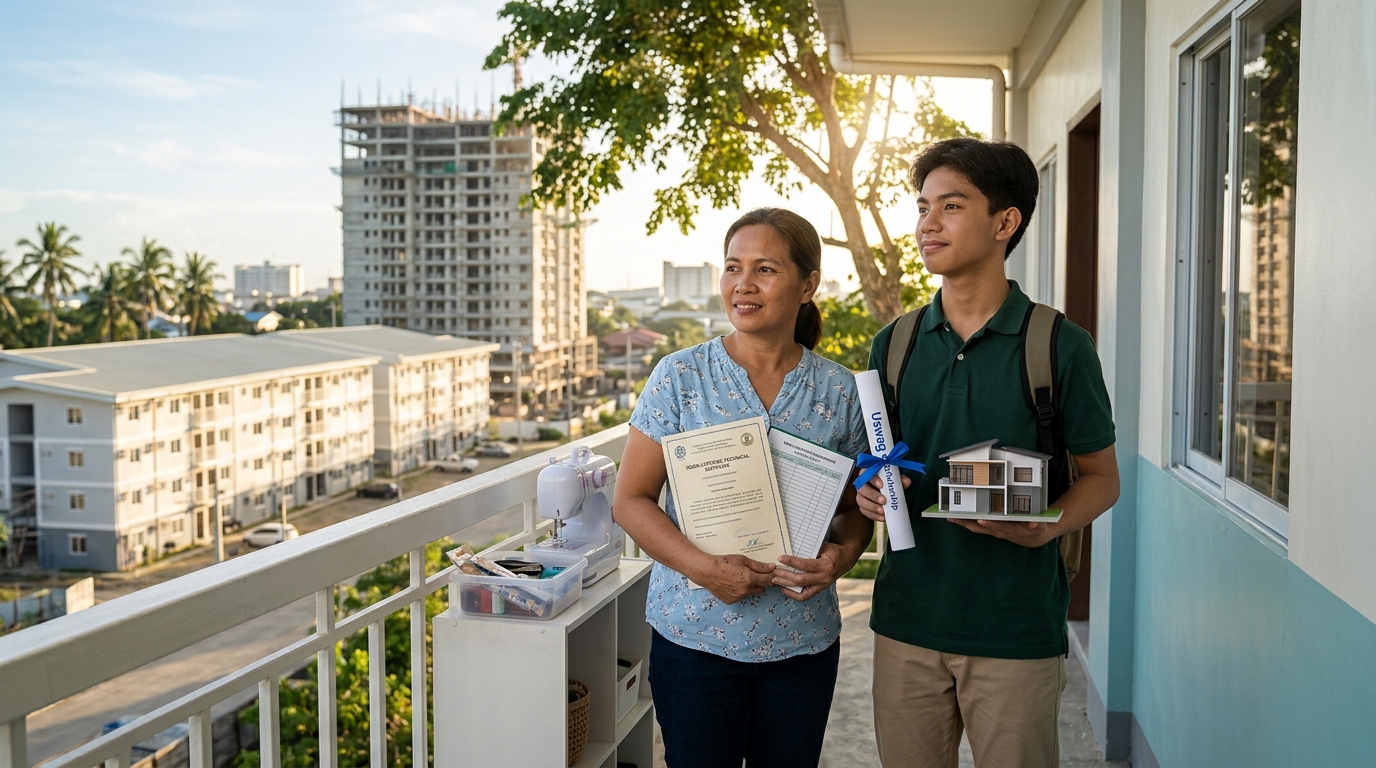
This newfound disposable income, real estate analysts note, rarely stays idle. In coastal barangays from Tigbauan to Guimbal and Oton, increased household earnings historically translate into home improvements, lot acquisitions, and the gradual shift from informal settlements to titled properties. Developers now offering house-and-lot packages in Iloilo's southern corridor are likely to see a fresh wave of qualified buyers emerging from the aquaculture workforce over the next two to three production cycles.
The Feeder Market for Residential Lot Values
The feed mill's business model reaches well beyond the fish cage. Officials confirmed it will purchase locally grown, plant-based raw materials as substitutes for expensive imported fishmeal and soybean meal. This decision effectively opens a steady procurement channel for Iloilo's crop farmers, creating a secondary economic engine that circles back to the same communities that rely on aquaculture. When both fish growers and crop suppliers see income gains within the same municipality, the pressure on residential land prices tends to move upward.
The facility is designed to produce 1,560 metric tons of feeds annually at standard capacity, enough to sustain approximately 300 hectares of fishponds. That volume requires a reliable, year-round supply of agricultural inputs, which translates into steady employment across planting, harvesting, processing, and logistics. Tigbauan and its neighboring towns now carry the fundamentals for sustained population retention and even modest in-migration, two variables that historically anchor residential real estate demand in provincial markets.
Commercial Opportunities Follow Institutional Anchors
Beyond residential impacts, the feed mill is set to function as a training and demonstration center for local government units, private stakeholders, academic institutions, and fisherfolk cooperatives. This institutional dimension guarantees a regular flow of visitors, researchers, and trainees into Barangay Buyu-an, some staying for days-long programs on feed formulation and sustainable aquaculture practices.
Wherever a steady stream of outsiders gathers, micro-commercial real estate follows. Small-scale lodging, food service stalls, retail supply shops, and transport terminals tend to cluster around operational training hubs. For landowners along the access roads leading to the SEAFDEC/AQD complex, the feed mill represents a long-term tenant for their properties and a rising floor price for adjacent commercial lots.
Iloilo's Broader Real Estate Momentum
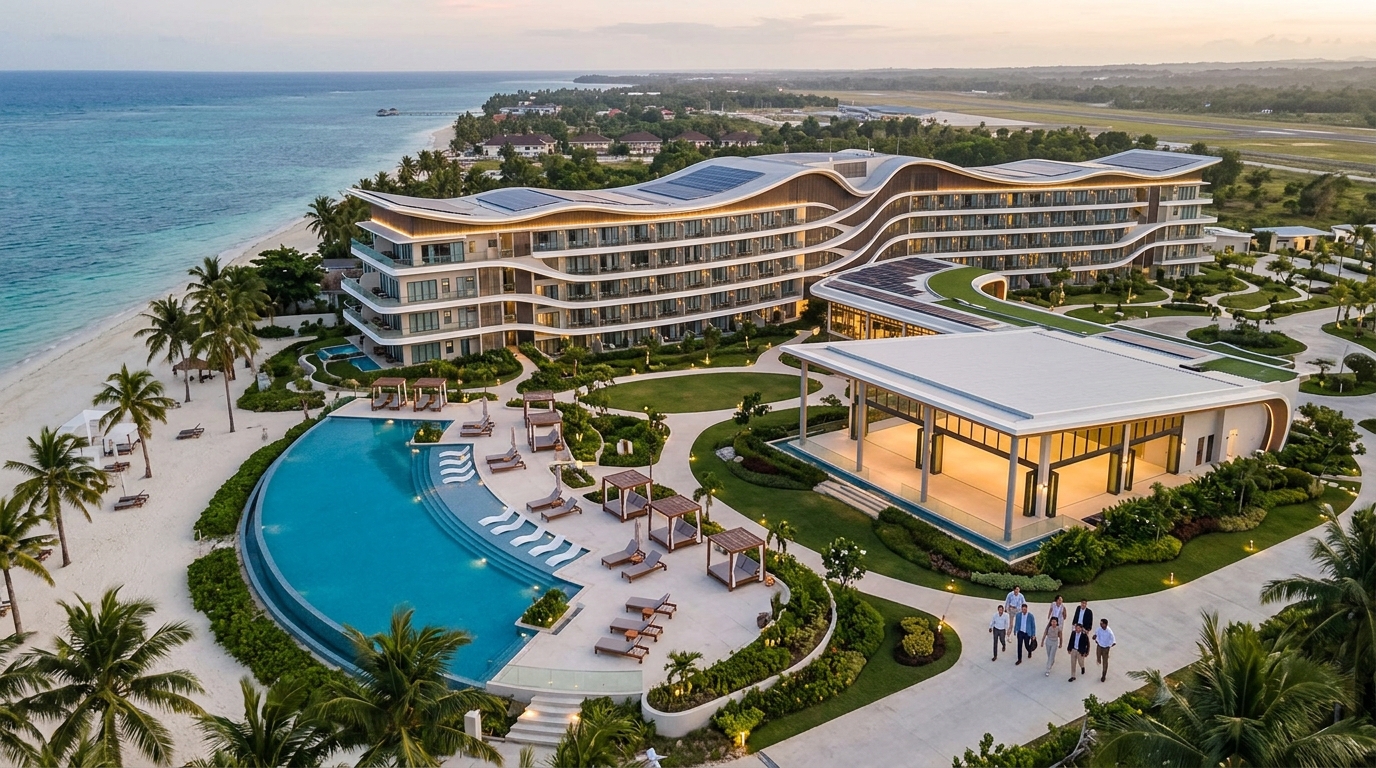
The feed mill arrives at a moment when Iloilo's real estate sector is already accelerating on multiple fronts. The province and city recently secured the ASEAN Clean Tourist City Award and global recognition during ASEAN Climate Week 2026 for sustainable urban development. The Mactan-Iloilo air route expansion and the opening of Megaworld's 405-room Belmont Hotel Iloilo have pulled more visitors into the province. Its UNESCO Creative City of Gastronomy designation continues to draw food tourists across its districts.
Collectively, these achievements make Iloilo an attractive destination for regional migrants and returning OFWs seeking provincial but cosmopolitan lifestyles. The feed mill adds a different layer: economic depth grounded in primary production. As National Economic and Development Authority data show, Western Visayas contributed 8.2 percent to the country's total fisheries output in recent years, making aquaculture one of the province's most durable economic pillars. Investors who understand the link between productive industries and housing demand will read the feed mill as a signal that Iloilo's property market is not merely riding a tourism wave, but standing on a structurally diversified base.
TAGS: