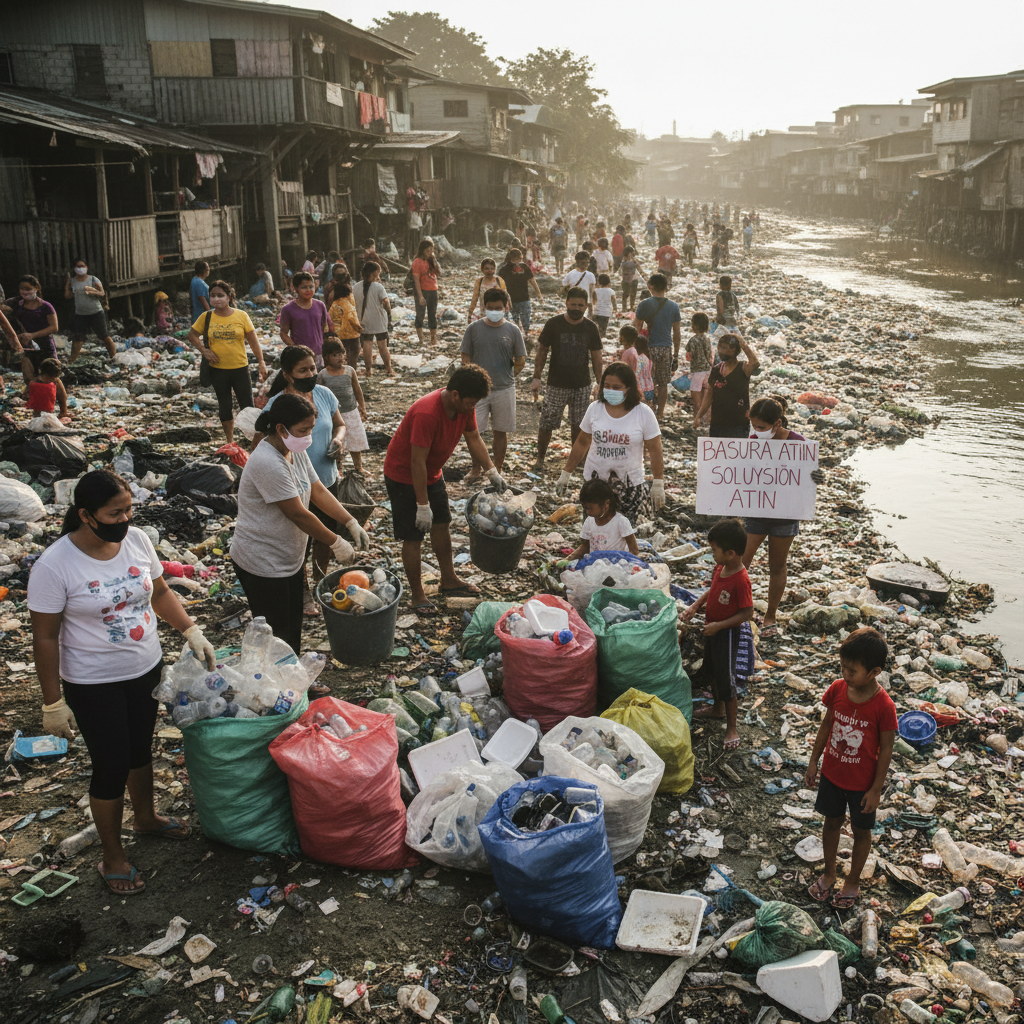
New studies intended to inform the Philippines' national plastic action roadmap have been unveiled, according to reports. This development marks a pivotal moment for the archipelago nation, which grapples with one of the highest rates of plastic waste leakage into the oceans globally. While the specific findings of these studies and the detailed contours of the roadmap were not elaborated upon in the initial announcement, the initiative signals a renewed commitment to tackling a pervasive environmental and public health crisis that directly impacts the daily lives and long-term well-being of millions of Filipinos.
Combating Marine Leakage and Enhancing Livelihoods
The sheer volume of plastic waste in the Philippines poses multifaceted challenges, from clogging waterways and exacerbating flood risks to contaminating marine ecosystems that are vital for food security and tourism. For countless Filipino communities, especially those in coastal areas and urban centers, plastic pollution is an immediate concern, affecting sanitation, fishing livelihoods, and overall quality of life. An effective plastic action roadmap could introduce comprehensive strategies, potentially encompassing improved waste collection, recycling infrastructure, and policies promoting circular economy principles. Such a roadmap is not merely an environmental undertaking; it carries significant socio-economic implications. It could drive innovation in sustainable packaging, create green jobs in waste management and recycling sectors, and reduce health hazards associated with plastic exposure. For overseas Filipinos, the environmental health of their homeland is a matter of deep concern, often influencing their decisions regarding family visits, investments, and supporting local initiatives.
Protecting Tourism, Health, and National GDP
The successful implementation of a robust plastic action roadmap holds immense importance for the Philippines. Environmentally, it could lead to cleaner beaches, healthier marine life, and more resilient communities. Economically, it can protect industries like tourism and fisheries, which are significant contributors to the national GDP and provide employment for countless Filipinos. Furthermore, a cleaner environment translates to better public health outcomes, reducing the burden of pollution-related illnesses on families, many of whom rely on remittances from overseas Filipino workers (OFWs) to cover medical expenses. This strategic move could enhance the country's global image as a responsible steward of its natural resources, potentially attracting further green investments and partnerships.
Sustaining National Prosperity Through Circularity
Filipinos, both within the archipelago and abroad, should recognize the potential long-term benefits of this initiative. While the specific details of the studies and the roadmap are yet to be fully disclosed, its success will ultimately depend on collective action, from government policy and industry compliance to individual consumer choices. Overseas Filipinos can contribute by supporting sustainable practices, advocating for environmental causes in their home country, and staying informed about policies that aim to protect the Philippines' natural heritage. The roadmap represents a critical step towards a more sustainable and healthier future for all Filipinos, underscoring the interconnectedness of environmental health and national prosperity.
TAGS: