The Philippine government has formally pledged to intensify its labor support for overseas Filipino workers (OFWs) amidst the ongoing conflict in the Middle East. This commitment, reported by the Philippine News Agency, underscores Manila's recognition of the heightened risks faced by hundreds of thousands of Filipino expatriates in a region critical to the nation's economy and diaspora. The vow comes as geopolitical tensions continue to simmer, potentially impacting the safety, employment, and overall welfare of these valuable contributors to the Philippine economy.
On-Site Safety and Welfare Monitoring
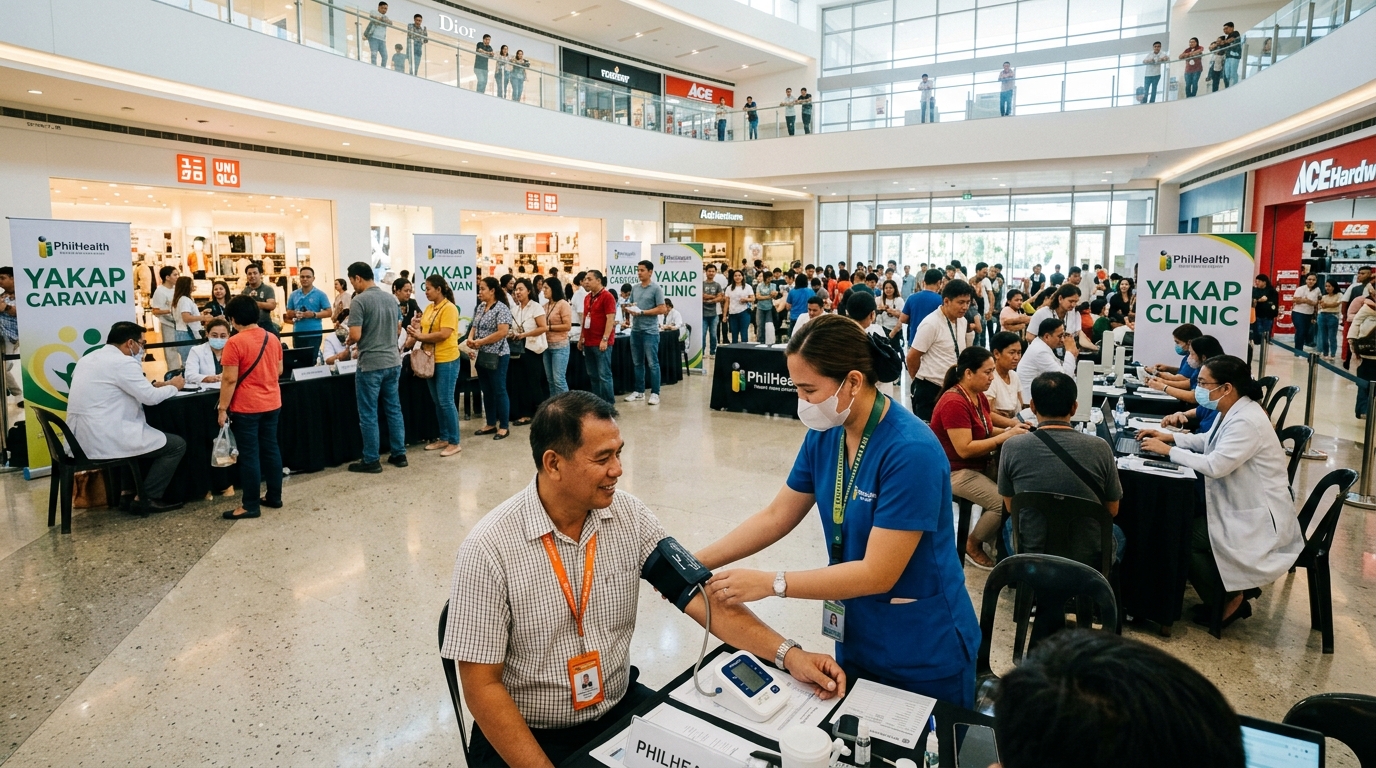
For many Filipinos, the Middle East represents a vital lifeline, offering employment opportunities that are often scarce or less lucrative domestically. Countries in the region host a significant portion of the global Filipino workforce, primarily in domestic services, healthcare, and construction. The government's pledge to step up labor support typically encompasses a range of protective measures, including enhanced monitoring of the situation on the ground, preparedness for potential repatriation efforts, and the provision of welfare assistance. This proactive stance is crucial for families back home who rely heavily on remittances and are deeply concerned about the safety of their loved ones working abroad. The commitment suggests an intent to reinforce existing mechanisms for emergency response and welfare services, ensuring that Filipino nationals have access to aid should the situation deteriorate further.
Sustaining Remittances and Domestic Growth
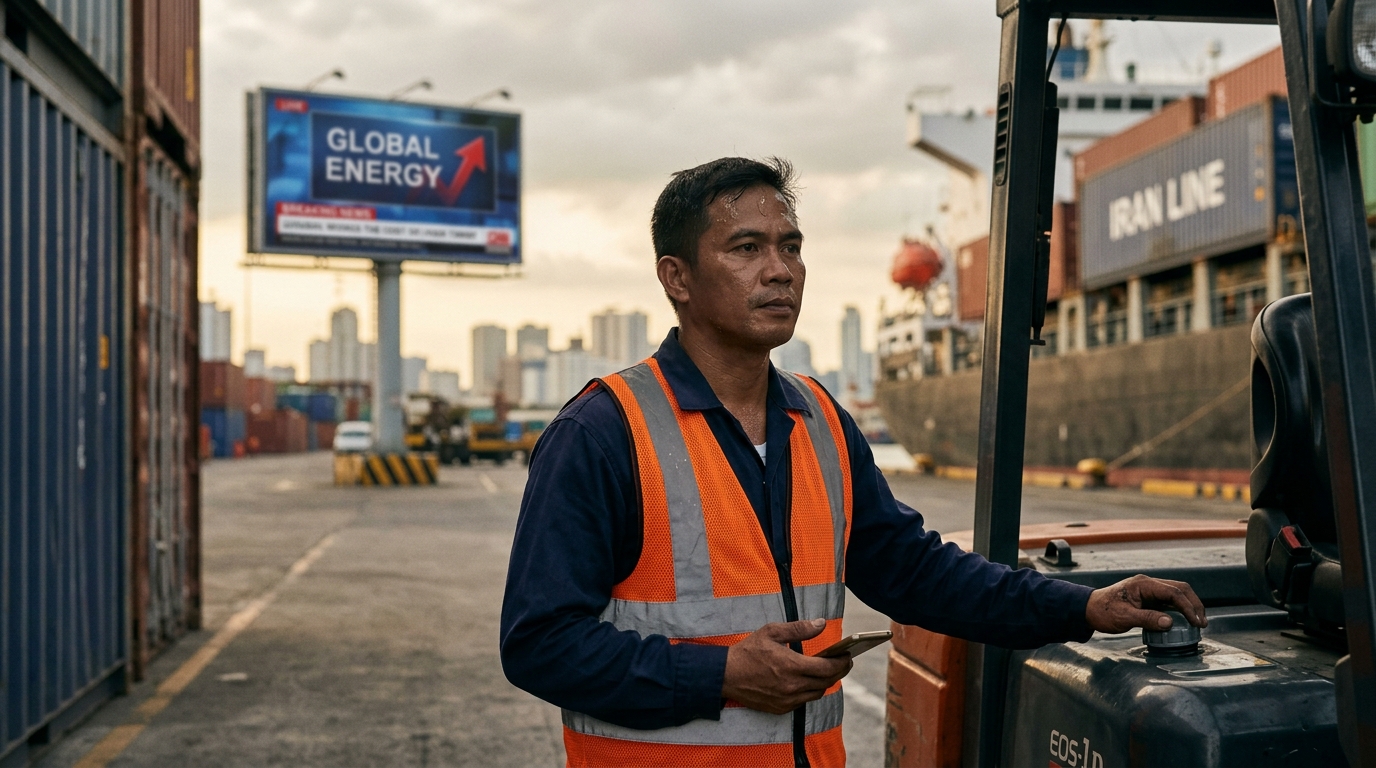
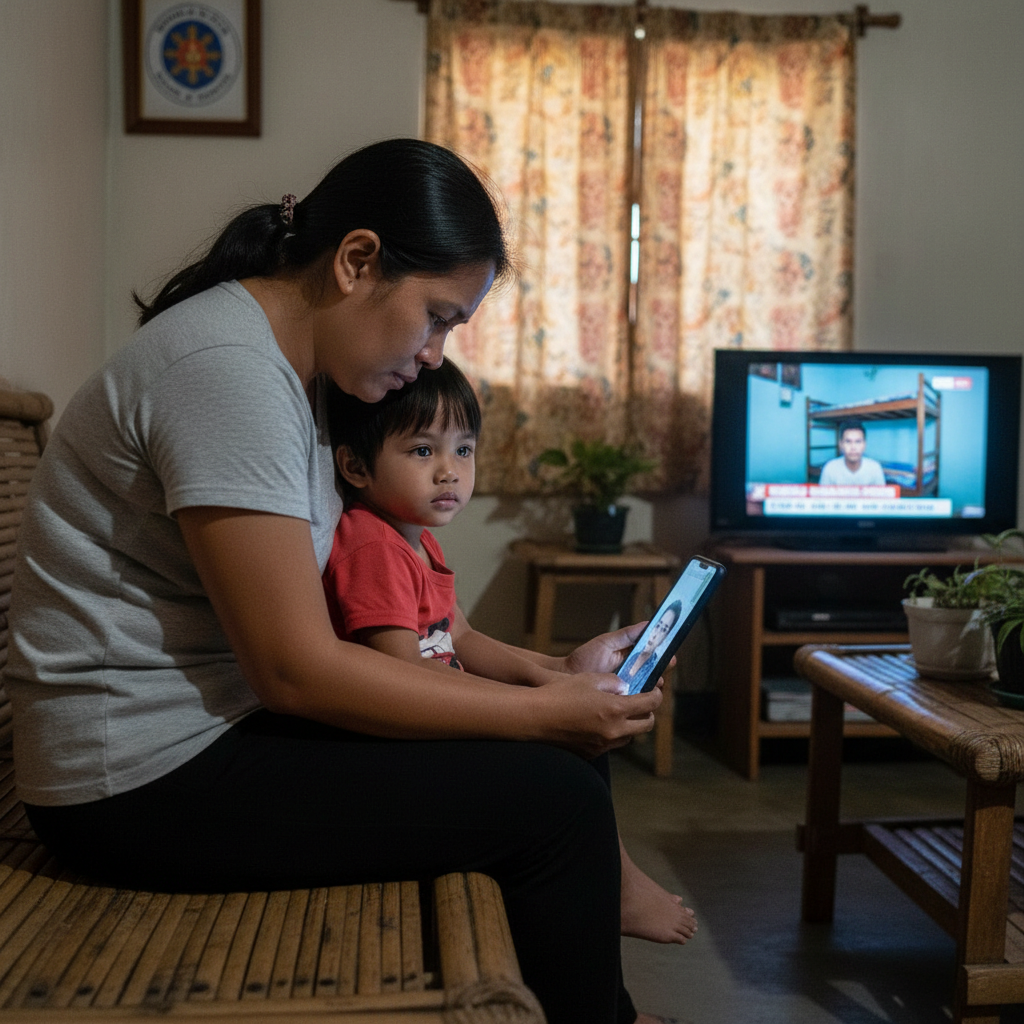
The stability of the Middle East directly impacts the livelihoods of countless Filipino families. Remittances from OFWs are a cornerstone of the Philippine economy, contributing billions of dollars annually and supporting consumption, education, and investment. Any disruption to employment or mass repatriation due to conflict can have severe economic repercussions, increasing unemployment and poverty at home. Beyond economics, the emotional and social impact on families separated by distance and now burdened by increased anxieties about their loved ones' safety is profound. The government's promise, therefore, is not merely administrative; it is a reassurance to a significant segment of the Philippine population that their welfare remains a priority.
Emergency Protocols and Reintegration Pipelines
Filipinos currently working or planning to work in the Middle East should stay vigilant and informed. It is imperative to register with the Philippine Embassies or Consulates in their respective host countries to ensure they can be easily reached during emergencies. OFWs should also keep emergency contact details readily available and be aware of their rights and the support services offered by the government, including the Department of Migrant Workers (DMW). While the government's vow signals increased vigilance, individual preparedness and adherence to safety protocols remain paramount for all Filipino expatriates navigating the complexities of working abroad amidst regional instability.
TAGS: