
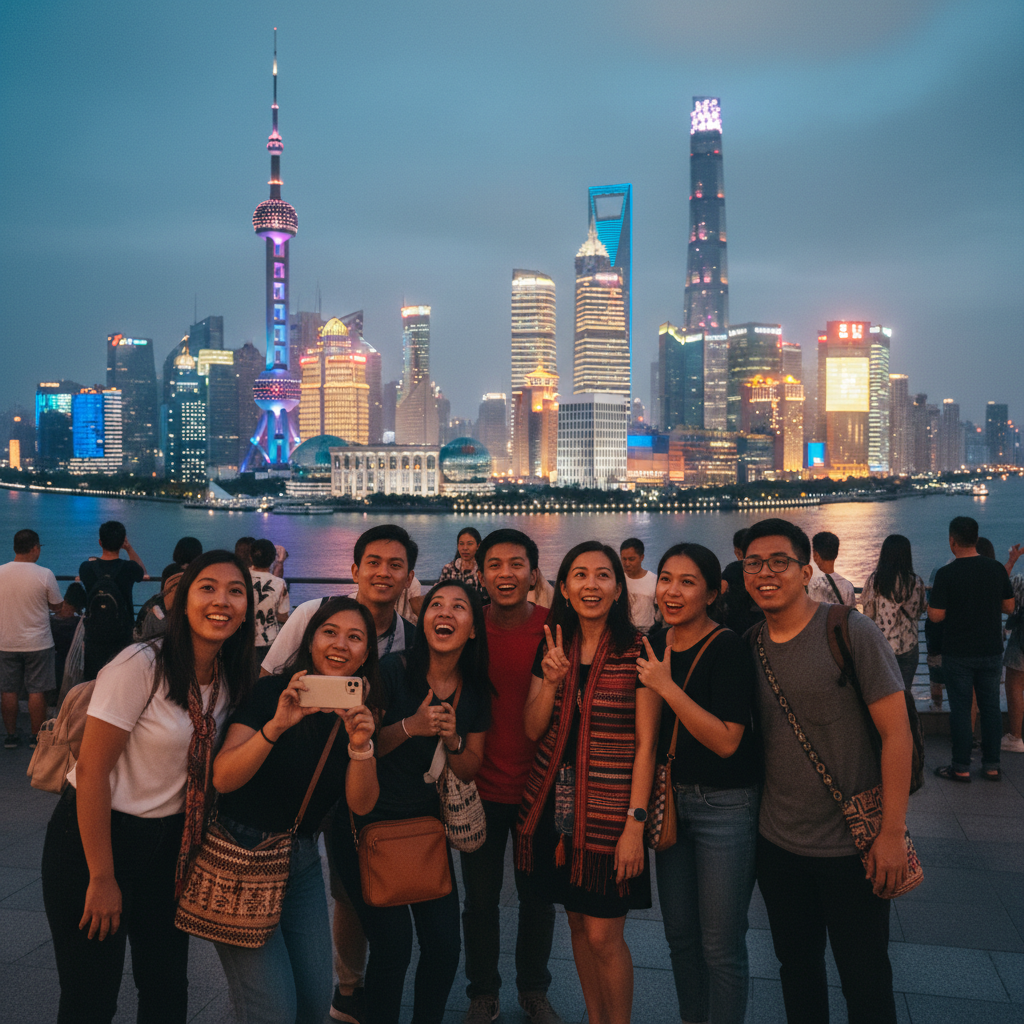
Shanghai, China, is set to significantly expand its global tourism footprint with the development of "iconic landmarks and groundbreaking attractions," including a monumental Ferris Wheel, according to a report by Travel And Tour World. This ambitious push aims to redefine Shanghai's position as a premier travel destination, with the report noting that China is poised to surpass other nations, including the Philippines, Japan, and South Korea, in its tourism offerings.
Redefining the Global Traveler’s Itinerary
The scale of Shanghai's planned developments underscores a strategic move to attract more international visitors and solidify its status on the world stage. While specific details regarding the names, exact locations, or completion dates of these new attractions remain under wraps in the initial report, the intent is clear: to create compelling reasons for global travelers to choose China. This includes a focus on innovative experiences and grand-scale entertainment that could significantly alter regional tourism dynamics.
Innovation and the Demand for Specialized Talent
For the Philippines and its burgeoning tourism sector, Shanghai's aggressive expansion represents both a challenge and a potential opportunity. Increased tourism infrastructure in China could intensify competition for international visitors, prompting a need for the Philippines to continually innovate and highlight its unique natural beauty and cultural heritage. Economically, a booming Chinese tourism industry could also indirectly benefit regional economies through increased trade and cross-border travel. More directly, the construction and operation of these grand attractions will undoubtedly create a substantial demand for skilled labor, potentially opening new avenues for Overseas Filipino Workers (OFWs).
Employment Horizons for the Filipino Workforce
Filipinos should closely watch these developments. For those in the hospitality, construction, and service industries, these new projects in Shanghai could translate into significant employment opportunities in China. As China's tourism sector grows, so too might the need for experienced professionals, a field where Filipino workers are globally recognized for their skills and dedication. Furthermore, for Filipinos planning international travel, Shanghai's new attractions will offer compelling new destinations, potentially reshaping travel itineraries across Asia. The Philippines must strategically adapt to this evolving landscape, ensuring its own tourism initiatives remain competitive and attractive to a global audience, including its own citizens and the returning OFW community.
TAGS: