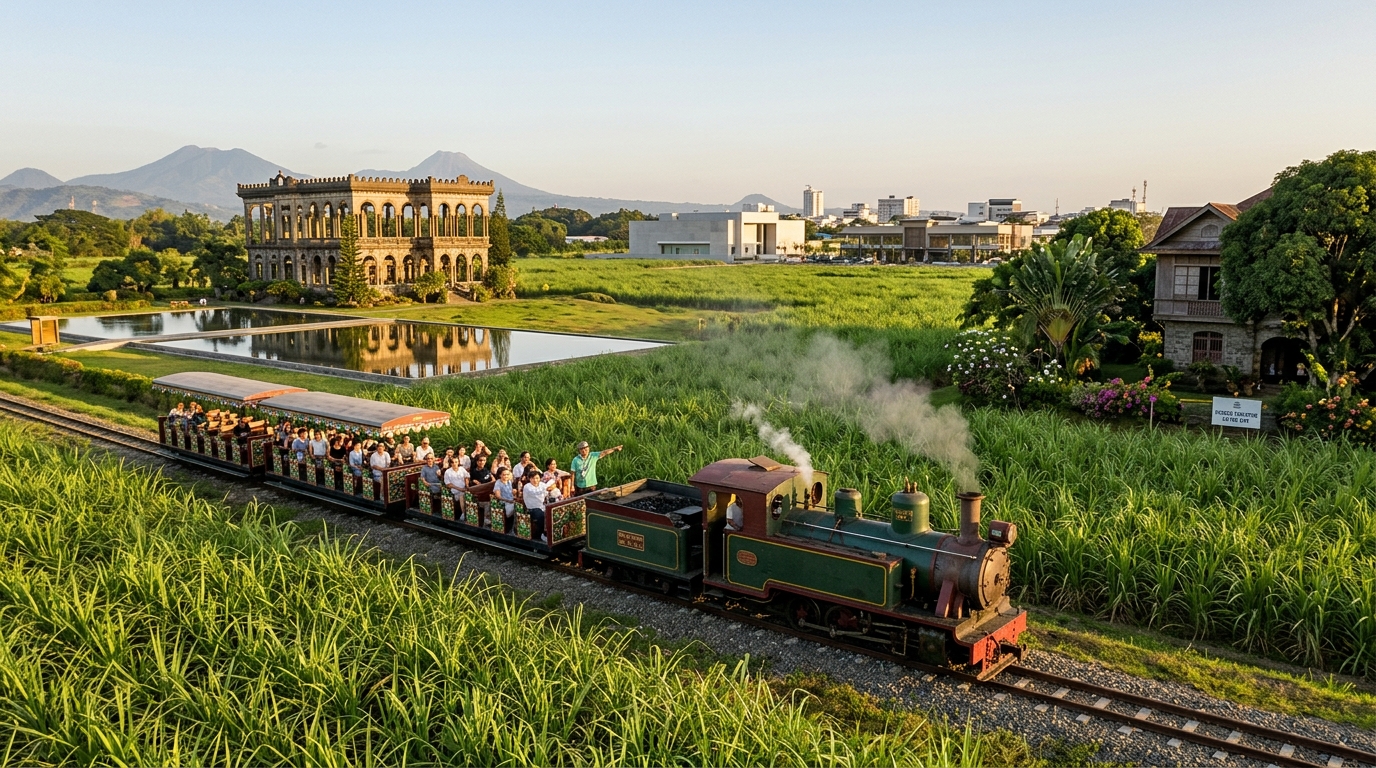
The landscape of Negros Occidental is currently undergoing a massive historical renaissance as it prepares for a permanent spot on the world stage. As of 2026, the "Sugar Cultural Landscape of Negros Occidental" is actively advancing on the UNESCO World Heritage Tentative List, a milestone that has triggered the launch of the region's first "Seamless Culture Hub Tours." This new travel initiative isn't just a sightseeing trip; it’s a high-energy deep dive into the "white gold" industry that built the Philippines' wealthiest era. Travelers arriving this week are finding that the quiet ancestral houses of Silay and the scorched skeletal remains of The Ruins in Talisay are now part of a living, breathing museum circuit that connects the island's colonial past to its resilient, tech-forward future.
The Paris of Negros Reimagined
Silay City, long celebrated for its European-influenced architecture, is seeing a surge in heritage preservation thanks to the recent success of the Silay Heritage 1-Day Tour program. On May 1, local tourism officers confirmed that visitor arrivals to Balay Negrense have reached double-digit growth, fueled by the city’s new status as a primary anchor of the UNESCO-listed landscape. Tourists are currently treated to rare, guided looks into the 19th-century sugar boom, including a close-up view of the Hawaiian-Philippine Company’s vintage steam locomotives which are still operational for the 2026 milling season. It is a rare opportunity to see industrial history in motion, where the "Paris of Negros" feels less like a memory and more like a vibrant, functioning cultural capital.
Skeletal Grandeur and New Townships
In Talisay City, the "Taj Mahal of Negros"—The Ruins—remains the province’s most photogenic landmark, but it is now being joined by massive modern investments. As of May 2026, property giant Megaworld is moving forward with "The Sugartown," a 97-hectare township development that integrates the area's sugar-centric identity with premium real estate. This project, rising along the Bacolod-Silay Airport Road, aims to preserve the rural "hacienda" feel while adding high-end technical education hubs and innovative workspaces to the district. Visitors to the General Aniceto Lacson Ancestral Home nearby are seeing this transition firsthand, as the city balances its role as a heritage sanctuary with its new reputation as a prime investment corridor outside Bacolod.
The National Museum’s New Throne
The administrative heart of the sugar empire, Bacolod City, is currently witnessing a historic architectural restoration at the Aniceto Lacson Mansion. Supported by a ₱50M grant in March 2026, the restoration of this massive ancestral home is nearing its final phases as it prepares to be integrated into the National Museum of the Philippines’ regional network. This project represents the pinnacle of the city’s 2026 cultural strategy, transforming the former revolutionary general’s home into a state-of-the-art facility for studying the social history of the "sacadas" and the haciendero class. As the MassKara Festival spirit begins to build for the upcoming season, the city is proving that its resilience—born from the 1980s sugar crisis—is now the foundation of its global cultural dominance.
TAGS: