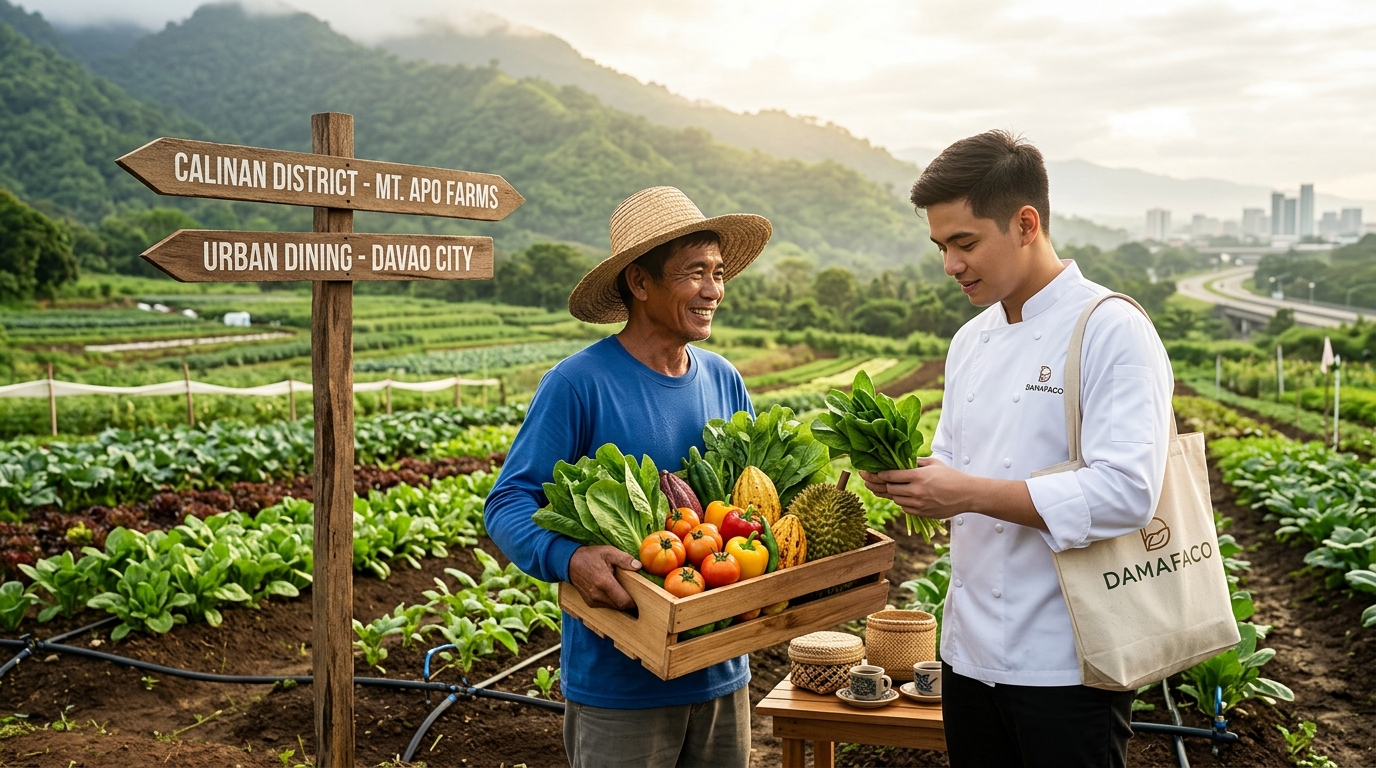
Davao City is currently redefining the "Gastronomy Trail" by removing the barriers between the high-altitude farms of Mt. Apo and the urban dining tables of the metropolis. Between May 4 and May 8, 2026, the Income Enhancement of Farmers Program (Phase 2) has launched a new direct-market circuit, moving away from traditional wholesalers to favor collective marketing systems. This initiative, spearheaded by the Davao Mt. Apo Agricultural Farmers Cooperative (Damafaco), allows smallholder farmers in the Calinan and Tugbok districts to supply city restaurants with premium, climate-resilient produce. For the 2026 diner, this translates to a "Zero-Mile" food experience where the story of the farmer is as prominent as the flavor on the plate.
Fragmented Fields to Collective Power
The soul of this May’s agricultural shift is the transition from "fragmented farming" to a unified cooperative model that empowers the individual grower. As of May 7, 2026, Damafaco has successfully organized farmer clusters into a "Collective Marketing System," allowing them to negotiate directly with major hotel chains and retail hubs in the city center. This strategy eliminates the predatory "middleman" fees that have historically suppressed farmer incomes, ensuring that the 17.38% surge in tourism arrivals this season directly impacts the people in the soil. It is a disciplined, economic re-engineering of the food chain that turns every salad and fruit platter in the city into a vehicle for rural development.
A Sensory Map of the Calinan District
Travelers arriving this week are finding a new "Lifestyle Circuit" that leads them out of the shopping malls and into the cooperative clusters of Calinan and Tugbok. These districts are becoming the new frontier for "Educational Gastronomy," where visitors can participate in the harvest and learn about the climate-resilient farming techniques used to grow the city’s famous durian and cacao. During the Habi at Kape sessions on May 6, 2026, project leaders noted that these tours are designed to make local establishments more visible to the 2 million visitors the city welcomed over the last year. It provides a raw, tactile connection to the "Land of Promise" that standard city tours often overlook.
Economic Resilience in the Land of Growth
This agricultural push is a critical component of Davao’s broader real estate and infrastructure boom, which has seen registered investments surge to over ₱27 billion this season. As the city’s skyline expands with new bypass roads and mixed-use estates, the demand for sustainable, locally-sourced food is hitting an all-time high. The cooperative model ensures that as property values rise, the food security of the region is protected by a resilient, tech-enabled network of small-scale producers. For anyone looking to invest or dine in Davao this May, the message is clear: the city’s strength lies in its ability to blend high-speed urban growth with the slow, steady rhythm of its fertile mountain slopes.
TAGS: