A recent, stark headline from The Manila Times, "PH workers are so screwed," has ignited conversations about the current state and future prospects for the Philippine workforce. While the original article's detailed content remains minimal, the provocative nature of the statement itself demands a closer look at the underlying anxieties and challenges potentially facing millions of Filipinos, both at home and those working overseas.
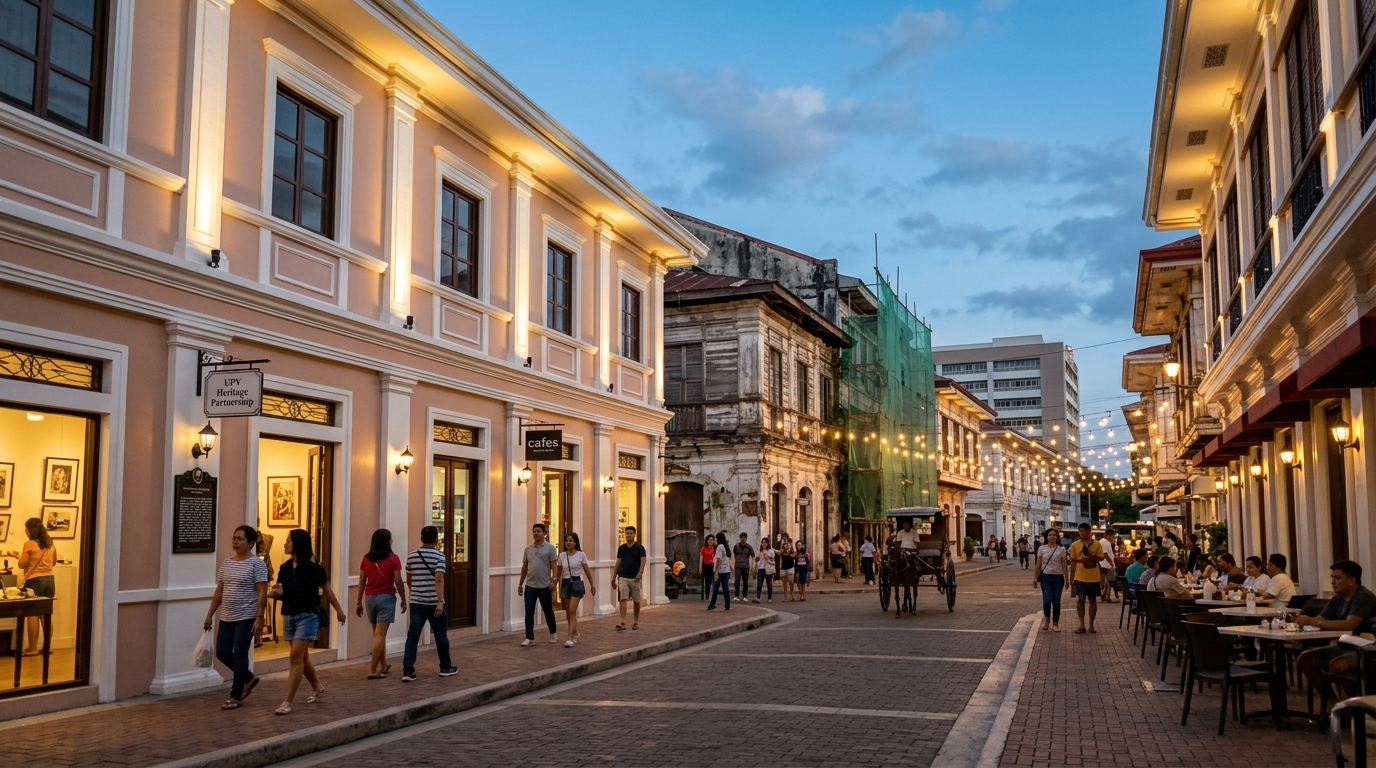
Productivity vs. Wage Stagnation
This sentiment likely reflects a culmination of factors impacting the daily lives of Filipino families. Economic pressures, including inflation and the rising cost of living in the Philippines, continue to strain household budgets. For many, finding stable, well-paying employment domestically remains a significant hurdle, often pushing individuals to seek opportunities abroad as overseas Filipino workers. The global economic landscape, coupled with shifting labor demands, also introduces uncertainties for those already working internationally or planning to do so.
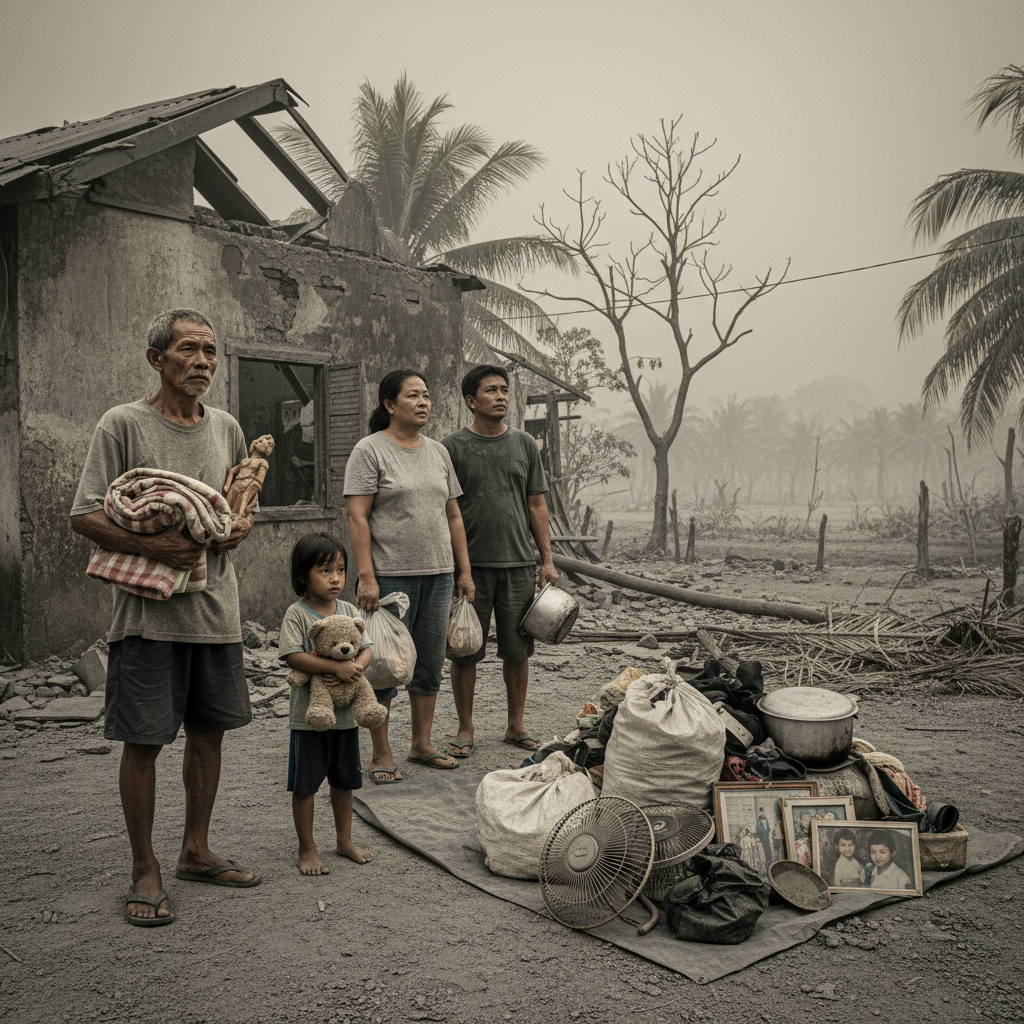
Structural Vulnerability and the Diminishing Social Safety Net
The well-being of Filipino workers is intrinsically linked to the nation's economic stability and the welfare of countless families. For OFWs, challenges in their host countries, such as contract disputes, exploitation, or even global economic downturns, directly impact the remittances that serve as a lifeline for their relatives back home. Domestically, a struggling labor market can lead to underemployment, poverty, and a diminished quality of life, perpetuating cycles of hardship. This situation highlights the urgent need for robust policies that protect labor rights, foster job creation, and provide adequate social safety nets for all Filipinos.
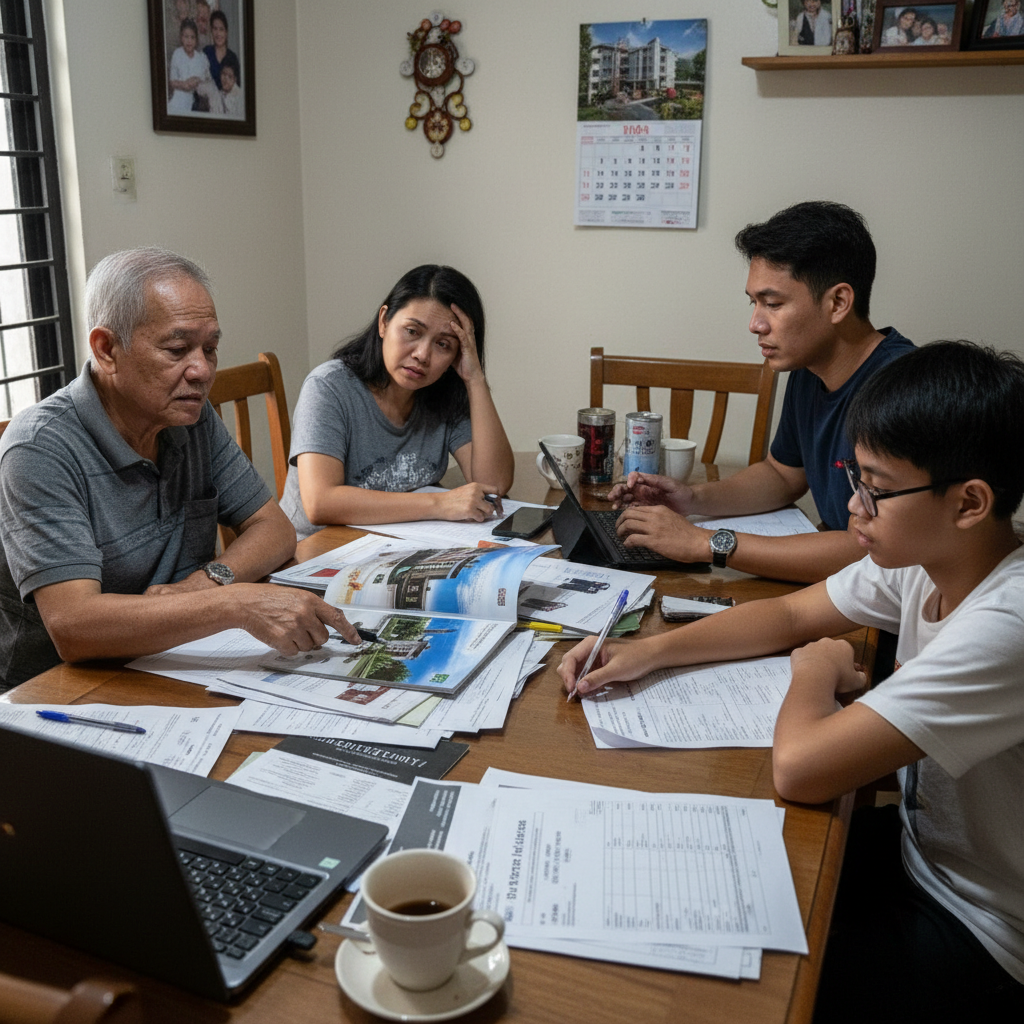
Navigating Career Stability in a Transitioning Global Economy
Filipinos, whether residing in the Philippines or working abroad, must remain vigilant and informed about labor market trends and their rights. For those contemplating overseas employment, thorough research into agencies, contracts, and destination country laws is paramount. Understanding the economic landscape and potential risks can empower individuals to make more informed decisions. Furthermore, advocating for stronger government support, both in job creation locally and in protecting the welfare of OFWs globally, remains crucial in navigating these mounting pressures and securing a more stable future for the entire Filipino workforce.
TAGS: