
The Philippines' economic horizon is being shadowed by two major global developments: the ongoing conflict in the Middle East and the looming threat of US tariffs, according to a recent outlook from BusinessWorld. This dual challenge signals potential headwinds for the nation's vital export sector, a cornerstone of its economic growth and a key source of livelihoods for countless Filipino families.
Energy Volatility and the Remittance Squeeze in the Gulf
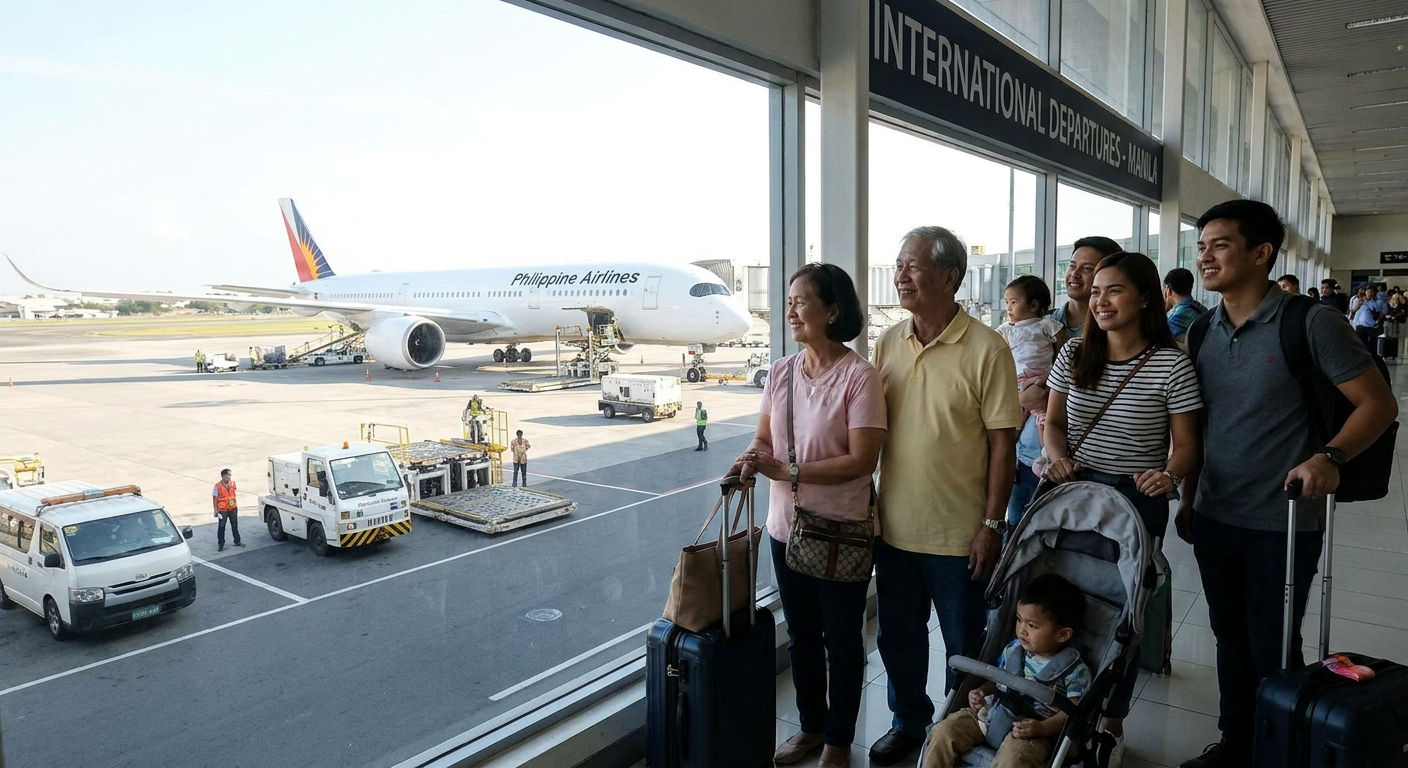
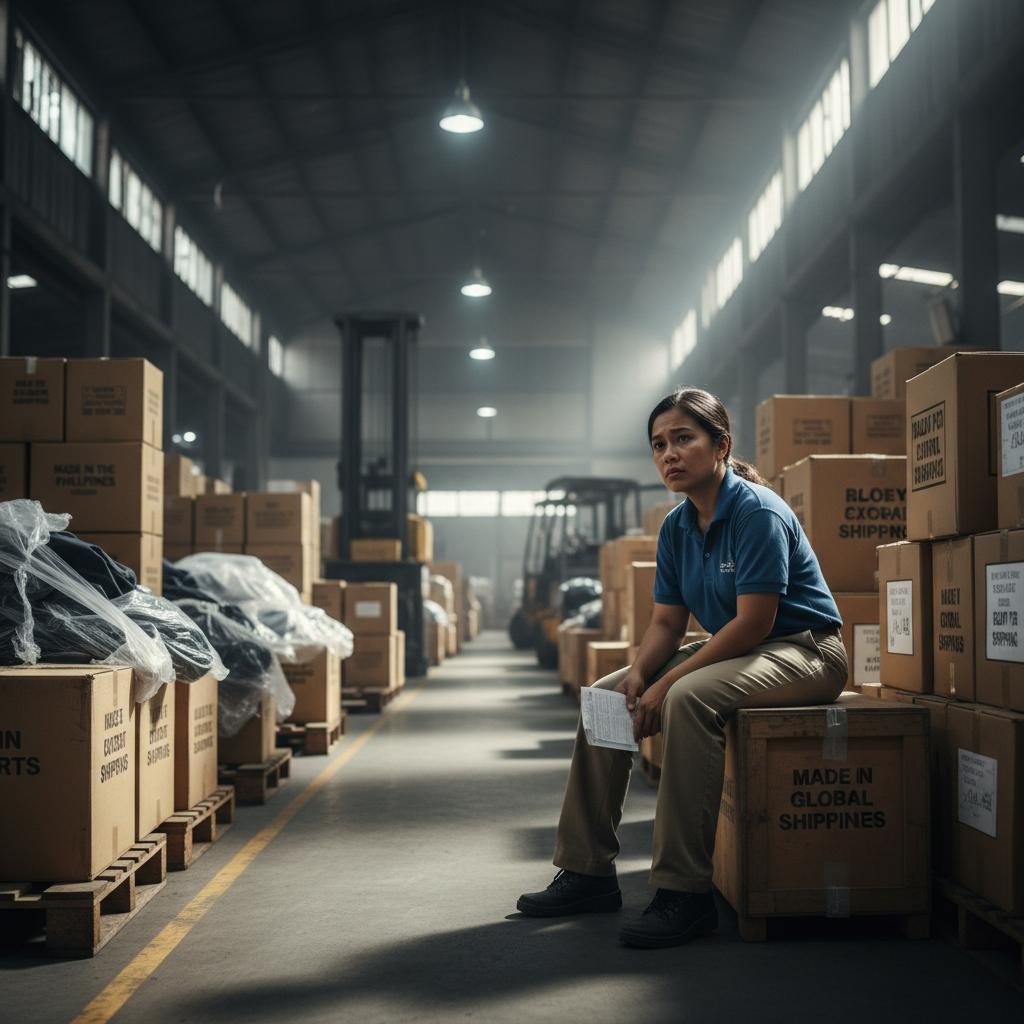
The Middle East conflict, a region critical for global oil supplies and a significant destination for Filipino migrant workers, poses a multifaceted threat. Escalating tensions can drive up crude oil prices, directly increasing the cost of fuel and energy for Philippine industries and consumers alike. This inflation can erode purchasing power and make Philippine exports more expensive and less competitive on the global market. Furthermore, the safety and job security of hundreds of thousands of Filipinos working in the Middle East could be jeopardized, potentially impacting the flow of remittances that are crucial for many households back home. Concurrently, the prospect of increased tariffs from the United States, a major trading partner for the Philippines, adds another layer of uncertainty. Such tariffs could make Philippine goods, from electronics to agricultural products, more expensive for American consumers, leading to a decrease in demand. This directly threatens the revenues and stability of export-oriented businesses in the Philippines, which in turn could lead to scaled-back operations or even job reductions.
The Impact of US Trade Policy Shift
A clouded export growth outlook has profound implications for the Philippine economy. Slower export growth translates to reduced foreign exchange earnings, potentially weakening the peso and making imports more expensive. For the average Filipino, this could mean higher prices for basic goods and services. For families of OFWs, a struggling domestic economy might put more pressure on their loved ones abroad to send larger remittances, even as global uncertainties affect their own earning potential. The manufacturing and agricultural sectors, heavily reliant on exports, could see a slowdown in job creation, impacting local employment opportunities.
Economic Resilience through Market Diversification and Reform
Filipinos, both at home and abroad, should closely monitor these global developments. Economic resilience will be key, with the government and private sector needing to explore new markets and diversify export products to mitigate risks. For OFWs and their families, understanding the potential impact on regional stability and global trade can help in financial planning and career decisions. While the situation presents challenges, the adaptability and resourcefulness of the Filipino people, coupled with strategic economic policies, will be crucial in navigating these complex global currents.