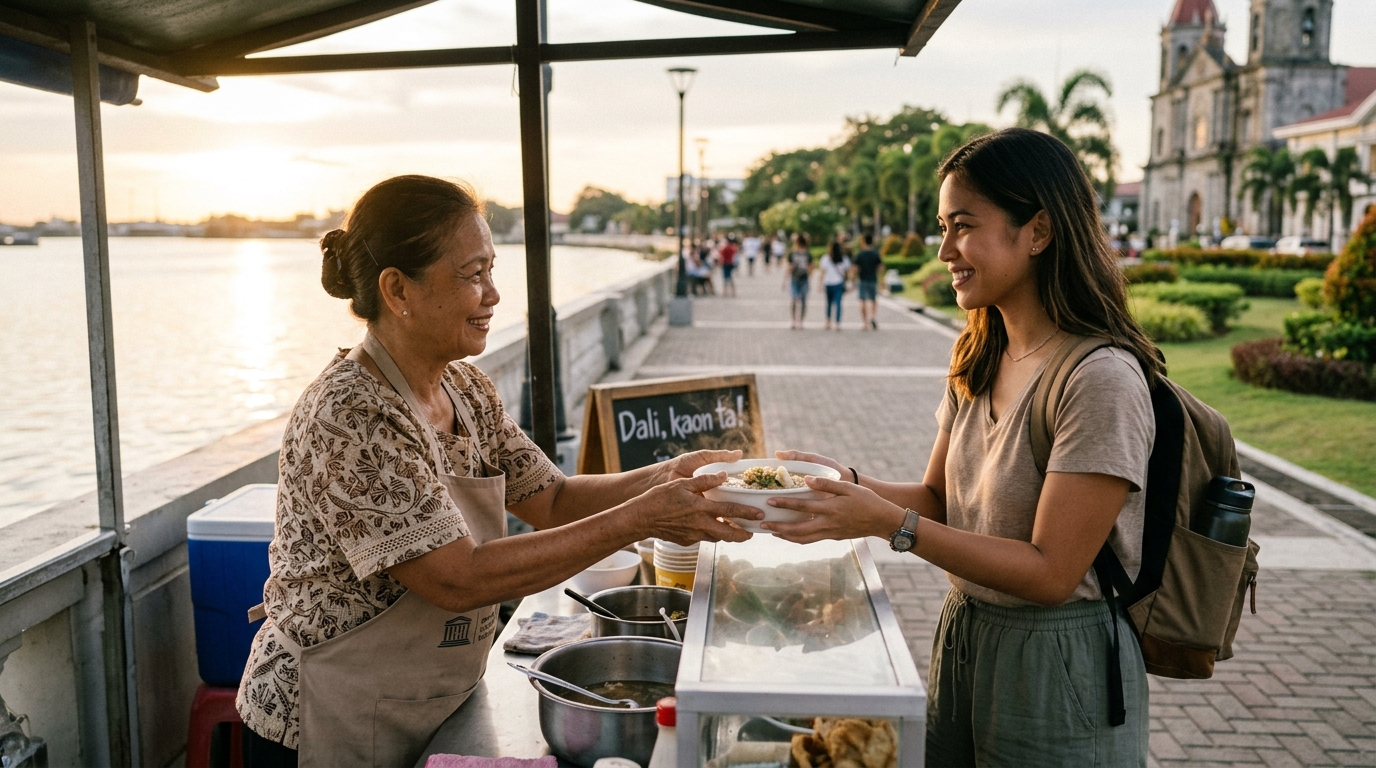

While the iconic mounds of the Chocolate Hills remain a staple, a significant shift in the island’s travel landscape is taking root as of May 6, 2026. Visitors are increasingly moving toward community-based tourism (CBT) initiatives that prioritize authentic human connections over traditional sightseeing. This movement, supported by a partnership between the Tourism Promotions Board and major infrastructure players, invites travelers to step into the daily lives of local artisans and farmers. By focusing on these grassroots experiences, the province is redefining its identity from a mere collection of landmarks into a living museum of Filipino culture and resilience.
Hands-on Heritage in Tubigon and Loboc
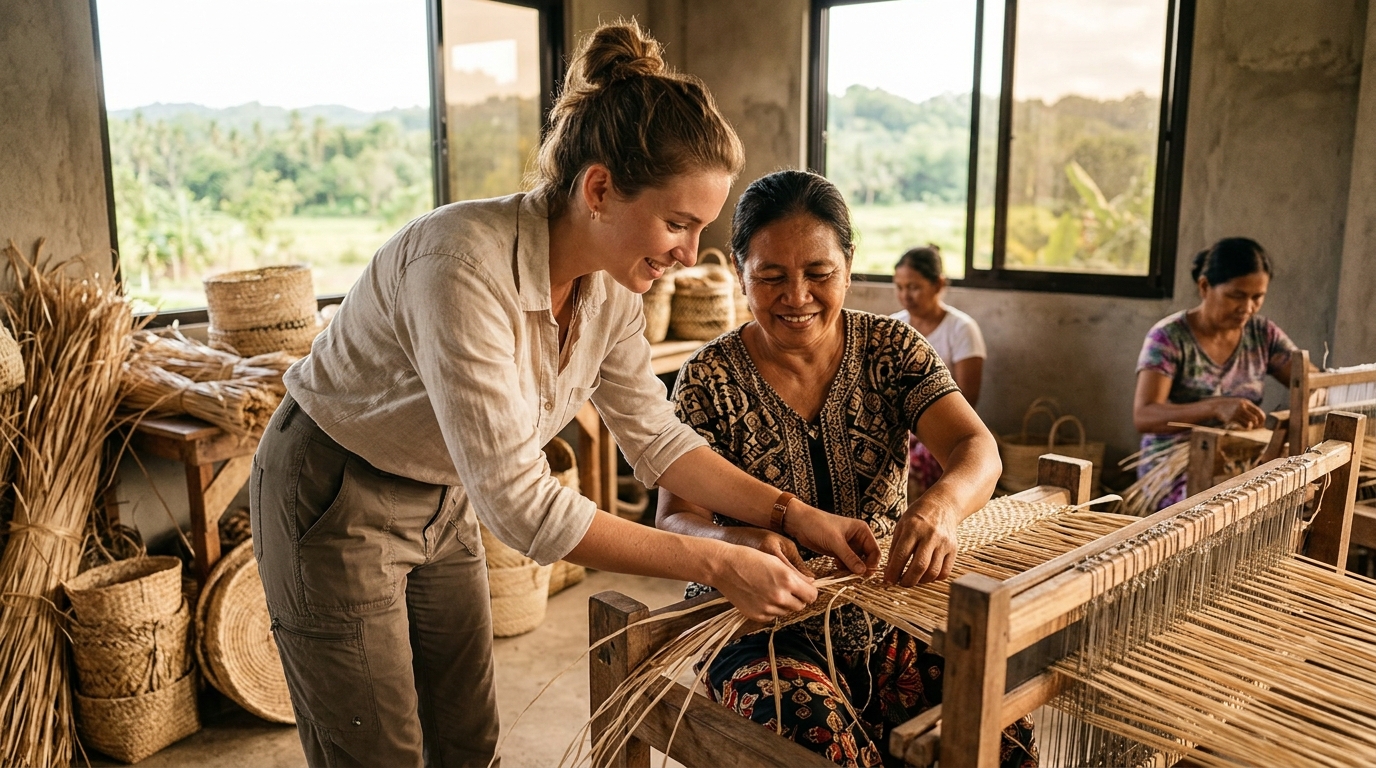
The current tourism push highlights the intricate world of raffia weaving in Tubigon, where visitors can witness the meticulous craftsmanship that sustains local families. This immersive journey continues along the Loboc River, but instead of the usual floating restaurants, travelers are now engaging directly with riverside communities to hear their ancestral stories. These activities allow for a more intimate understanding of the province's culture, moving beyond the surface-level beauty of its natural wonders. By participating in these local practices, tourists contribute directly to the preservation of traditional skills that might otherwise be lost to modernization.
Sustainability Rooted in the Soil
In the town of Lasang, farming has become a focal point for those seeking to understand the island's relationship with its fertile land. Travelers are invited to follow the planting and harvesting cycles, gaining firsthand insight into the agricultural backbone of this UNESCO Global Geopark. This focus on "mindful travel" ensures that the environmental impact is minimized while the social benefit to the local farmers is maximized. As of early May, these farm-to-table experiences are proving that the most memorable souvenirs are often the lessons learned from the people who work the earth.
A Strategic Vision for Regenerative Growth
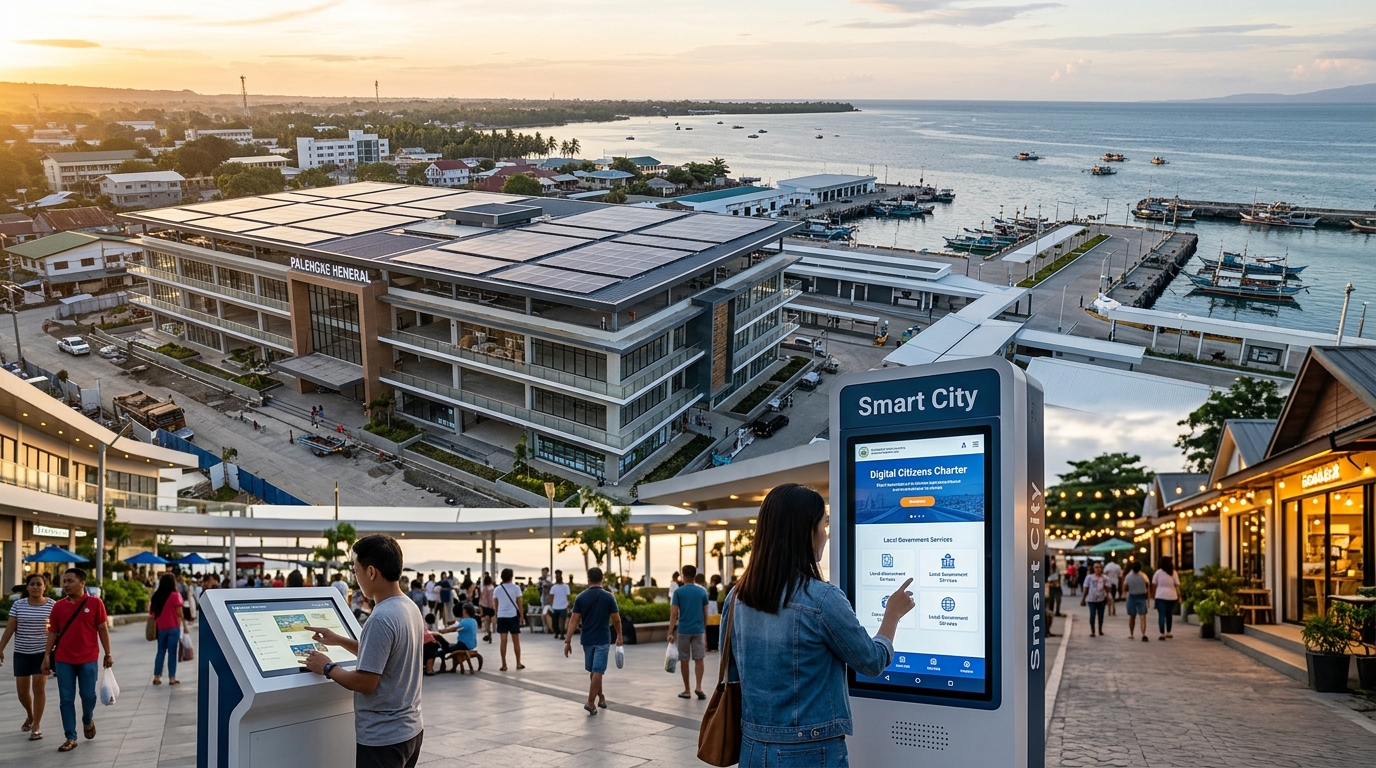
This shift aligns with the provincial government's broader 2026 goals of using digital visitor management systems to prevent overcrowding at sensitive sites. By distributing visitor flow across various community hubs, Bohol effectively addresses carrying capacity concerns while stimulating the economy in rural areas. The strategy moves away from high-impact, extravagant displays in favor of "regenerative" tourism that protects the island's unique geological status. Ultimately, this approach fosters a more balanced ecosystem where economic gain and environmental stewardship walk hand in hand for the benefit of future generations.