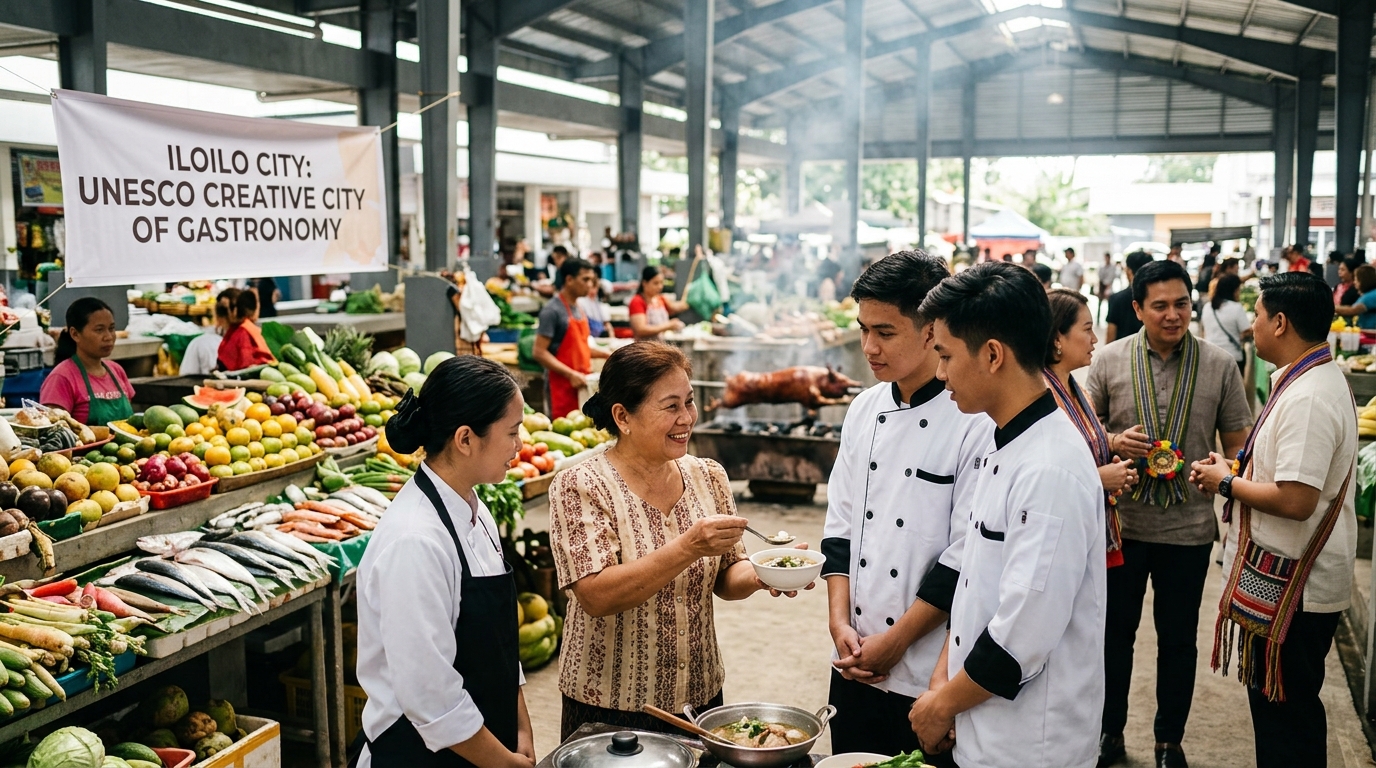

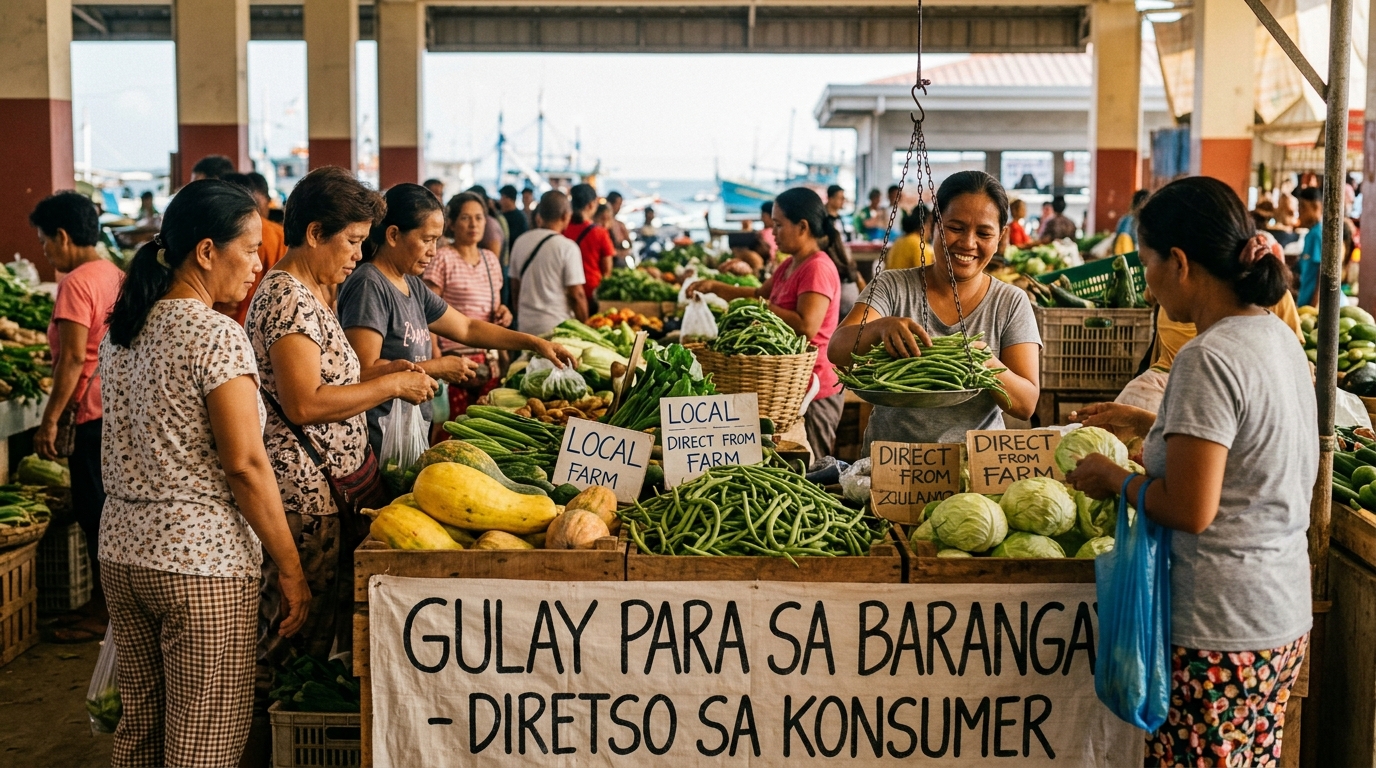
General Santos City has traditionally been defined by its world-famous tuna, but a fresh agricultural shift took center stage during the first week of May 2026. Coinciding with high-level government visits to the Lagao Public Market, the "Gulay para sa Barangay" program has begun funneling metric tons of locally grown vegetables directly to coastal communities. This move addresses the rising cost of fresh produce during the dry season, ensuring that hinterland farmers have a direct pipeline to urban and seaside consumers. For the people of GenSan, this initiative transforms a standard market day into a proactive social relief effort that prioritizes nutrition alongside the city's maritime wealth.
Strengthening the Inland Supply Chain
The 2026 agricultural identity of GenSan is expanding through "Direct Farm-to-Table" logistics, where the Lagao Public Market serves as the central hub for regional food redistribution. As of May 5, 2026, over 5,000 kilograms of produce—including squash, cabbage, and string beans—were mobilized to assist households facing high commodity prices. This systematic movement of goods is designed to support local growers who often struggle with market access during the harsh dry months. By prioritizing these seaside villages, the city is building a more resilient network that links the abundance of its soil with the needs of its coastal residents.
Empowering the Local Workforce
Parallel to the agricultural push, the city hosted a massive Labor Day job fair at the KCC Convention and Events Center on May 1, 2026, offering more than 4,000 vacancies. This event focused on "Decent Work for All," providing a localized answer to the national call for better employment standards and social protection. Government agencies such as TESDA and PhilHealth were integrated into the fair to offer immediate skills certification and health insurance enrollment for job seekers. This multi-sectoral approach ensures that the GenSan workforce is not only employed but also protected by a robust social safety net.
Financial Grants for Barangay Growth
The first week of May also saw a significant injection of capital into the city's grassroots governance, with ₱200,000 in subsidies earmarked for every barangay. Half of these funds are strictly dedicated to educational assistance, supporting scholars who are struggling to complete their degrees due to economic pressures. Local officials are utilizing these funds to identify specific community needs, from small-scale infrastructure to direct student stipends. This decentralized funding model allows individual districts to tailor their development strategies, fostering a more inclusive growth pattern across the Tuna Capital.