
General Santos City is currently focusing its efforts on the invisible backbone of its industrial economy: energy reliability. In the first week of May 2026, the Alsons Power Group, in coordination with the Energy Regulatory Commission (ERC), conducted an intensive two-day regulatory compliance and grid reliability training in the city. This workshop is specifically designed to improve outage reporting and crisis response standards across the region’s power facilities. For a city that relies on the precise timing of its massive tuna canning operations, this focus on power stability is a significant win for local industry and the thousands of workers whose livelihoods depend on a constant, reliable grid.
Strengthening the Industrial Core
The focus of this May 7 training is on "reporting discipline" and standardized protocols for managing power disruptions. By improving how power plants and operations personnel communicate with the grid, GenSan is ensuring that its massive industrial plants can respond to energy fluctuations with minimal downtime. This is a critical development for the city’s tuna industry, where even a brief power failure can lead to significant losses in cold storage facilities. For the local community, this training represents a proactive move to safeguard the city’s economic lifeblood through technical excellence and regulatory discipline.
The Rise of Al-Fresco Sanctuaries
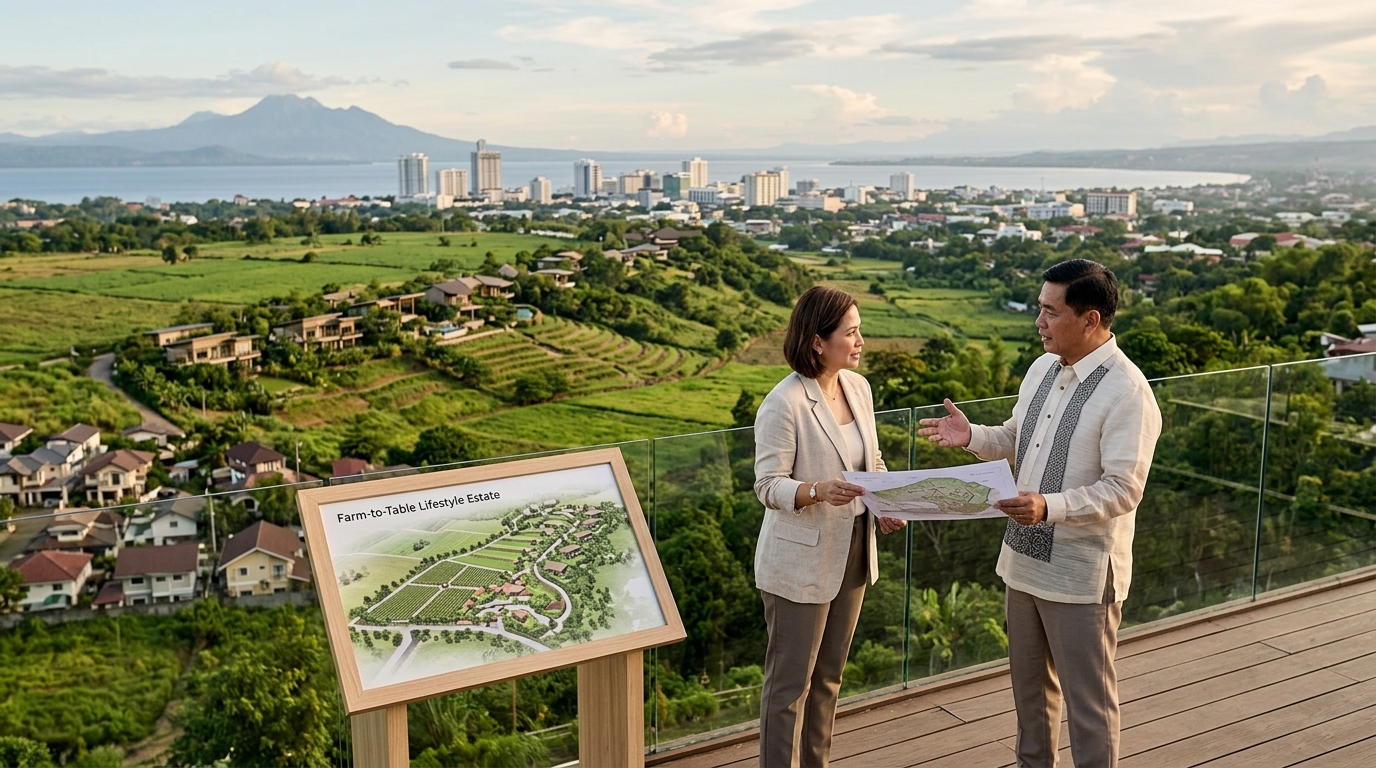
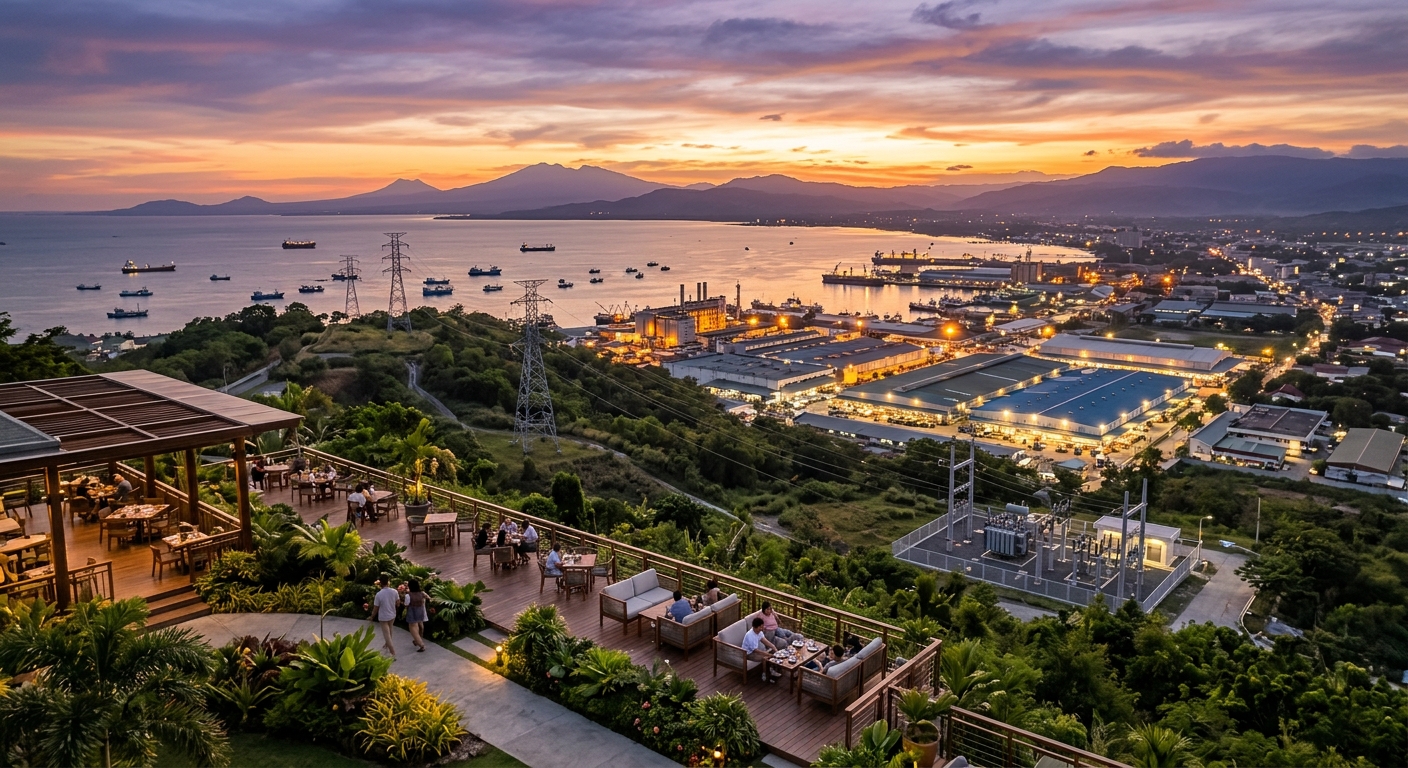
While the city’s industrial core strengthens, its lifestyle scene is also evolving with the rise of al-fresco sanctuaries like Hill VI in Barangay Mabuhay. This hilltop destination has become 2026’s go-to spot for those looking for a panoramic escape that balances the fast-paced energy of the fish ports. Between May 1 and May 8, the area has seen an uptick in visitors looking for "slow travel" experiences, including sunset dining and open-air wellness activities. This hilltop district is proving to be a successful example of how GenSan is diversifying its tourism appeal, offering a serene counterpoint to its reputation as a purely industrial city.
A 2026 Roadmap for Sustainable Growth
The convergence of these two developments—a more reliable power grid and a burgeoning boutique tourism sector—paints a picture of a city in a sophisticated state of transition. GenSan is no longer just a destination for seafood traders; it is becoming a center for sustainable seaside living and industrial innovation. The city government's focus on "Ease of Doing Business" through digital platforms like the e-BOSS system is further encouraging this growth. For anyone looking at GenSan this May, the message is clear: the city is building a resilient, high-capacity infrastructure that supports both its massive factories and its quiet hilltop retreats.