ILOILO CITY — A stroke of ink on May 4, 2026, may well prove to be the catalyst that transforms one of the Philippines’ most architecturally significant streetscapes into a premier heritage tourism destination. The Iloilo City Government and the University of the Philippines Visayas (UPV) signed a memorandum of agreement for “Project 3: Heritage as Public Policy: Preserving and Promoting Iloilo Calle Real Buildings,” a research and policy initiative designed to institutionalize the protection of this historic commercial corridor. For travelers and tourism stakeholders alike, the formal partnership signals that Calle Real is moving from piecemeal conservation toward a coordinated, policy-driven revival that promises to deepen the visitor experience at the heart of the city.
The signing took place just as Iloilo was still basking in the afterglow of its second ASEAN Clean Tourist City Award, received in Cebu City this past January. Mayor Raisa Treñas-Chu, who inked the agreement alongside UPV Chancellor Clement Castigador Camposano, framed the collaboration as essential to the city’s broader development vision. “This collaboration is very timely as we advance development in the City Proper District, where Calle Real is located, ensuring that heritage preservation goes hand in hand with sustainable economic growth,” she said, adding that strengthened policy direction and stakeholder engagement would guide the long-term management of the city’s built heritage.
A Living Museum Waiting to Be Fully Discovered
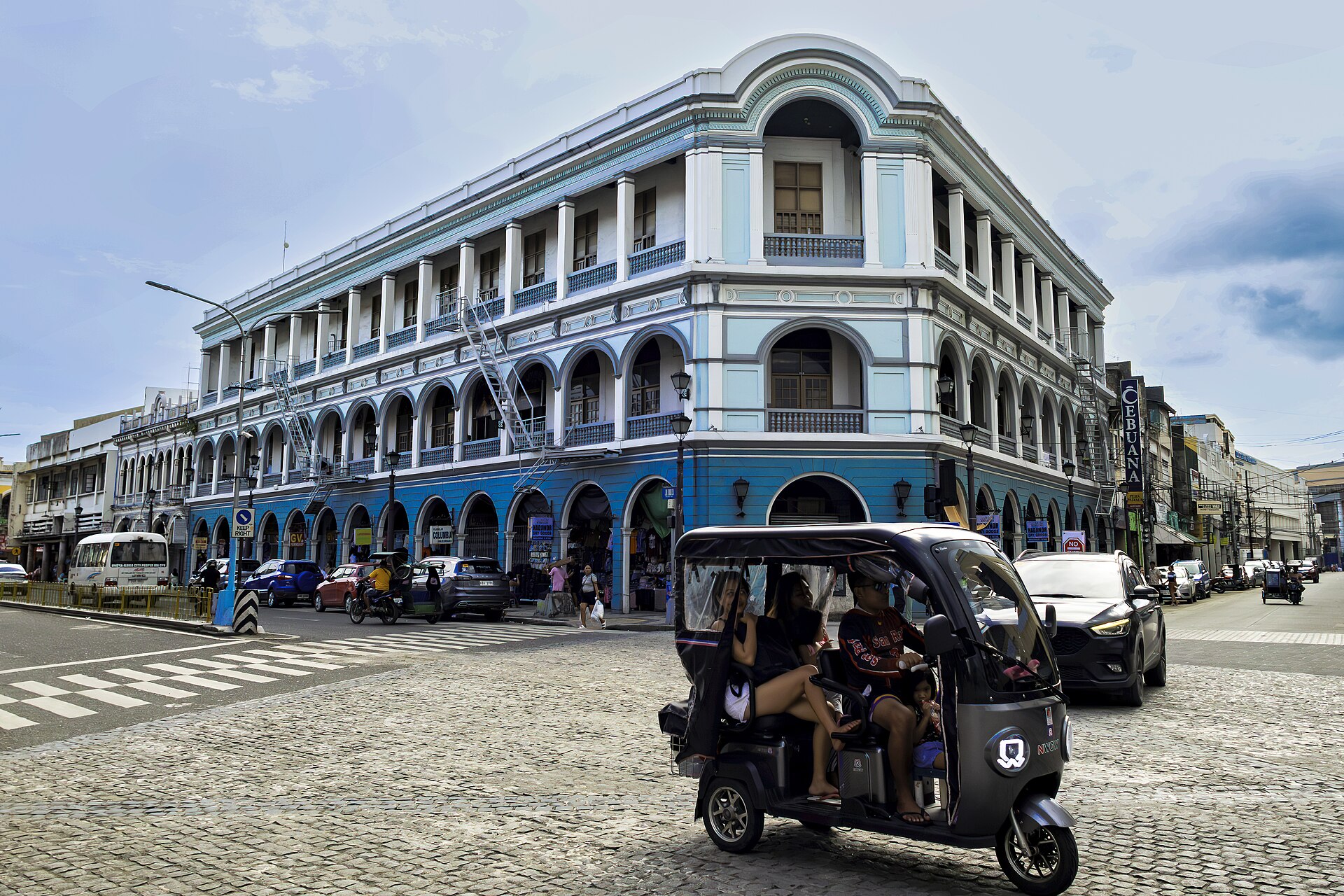
Calle Real, also known as J.M. Basa Street, is no ordinary strip of pavement. It is home to 21 heritage buildings, forming the historic spine of a city that boasts more than 250 heritage structures—one of the richest concentrations in the Philippines. These early 20th-century edifices, with their neoclassical, Beaux-Arts, and Art Deco influences, stand as stone witnesses to Iloilo’s golden age as the “Queen City of the South,” a period when it ranked as the country’s second-most-important port after Manila.
For decades, however, this architectural treasury remained largely a drive-past curiosity rather than a dwell-and-explore destination. Business closures and the gradual pull of modern commercial centers drew foot traffic away from downtown, leaving many heritage buildings underutilized. The new UPV-Iloilo City partnership aims to reverse this trajectory by framing heritage not as a relic to be passively admired but as an active driver of cultural tourism and economic revitalization.
Three Landmark Buildings Lead the Charge
The most tangible news for visitors is that restoration work will soon be visible on actual facades. Three prominent Calle Real buildings have already been submitted to the National Commission for Culture and the Arts (NCCA) for redevelopment and repainting, with work expected to begin within 2026. While the specific structures have not yet been publicly named, their selection signals that the project is moving beyond planning documents into physical reality—a transition that tourists and heritage advocates can actually witness over the coming months.
The NCCA’s involvement brings both funding credibility and technical expertise to the effort. Previous NCCA engagement along Calle Real included a repainting program for commercial buildings in the heritage zone, aimed at enhancing the visual appeal of the downtown core. The three newly endorsed buildings promise a more comprehensive intervention—redevelopment rather than mere cosmetic refresh, positioning these structures as anchors for the broader tourism corridor that the city hopes to cultivate.
From Research to Revival: A 2026 Roadmap
Project 3 is structured as a methodical, multi-phase effort running from March to December 2026. The initial months are dedicated to staffing, coordination, and field research. UPV’s Center for West Visayan Studies will lead documentation, policy review, and stakeholder analysis, examining local heritage policies, institutional arrangements, and governance challenges that have long hampered conservation efforts.
A stakeholders’ forum tentatively scheduled between August and September will gather building owners, government agencies, tourism operators, and community representatives. The convening is expected to surface on-the-ground realities—from financing barriers to zoning conflicts—that currently complicate heritage reuse. Final policy briefs and recommendations are slated for submission by December 2026.
For the tourism sector, this timeline is significant. Well before the year ends, Iloilo City will have an academically grounded, multi-stakeholder-endorsed framework for heritage governance. Such a framework gives tour operators, hotel investors, and heritage advocates a clearer picture of what the regulatory environment will look like, reducing the risk perception that often stunts heritage-led tourism development.
The Halal and Eco-Tourism Bonuses
Chancellor Camposano used the signing to spotlight forward-looking tourism concepts that go well beyond building facades. He mentioned halal culinary offerings as a way to expand Iloilo’s market reach and acknowledged a proposal to develop the Iloilo River as an ecotourism “living classroom.” These ideas complement rather than compete with the Calle Real project. A visitor drawn by halal food trails or riverine eco-experiences is likely to extend their stay and explore the historic downtown, creating a multiplier effect across the city’s tourism ecosystem.
Camposano also articulated a philosophical stance that resonates with the growing segment of travelers seeking authentic cultural immersion rather than superficial sightseeing. Heritage preservation, he stressed, “should be about serving our communities and enhancing their quality of life, rather than merely ‘beautifying’ the past.” For a city that earned its UNESCO Creative City of Gastronomy designation and consecutive ASEAN Clean Tourist City awards, this community-centric approach to heritage tourism aligns with the narrative that Iloilo offers substance, not just scenery.
The Larger Tourism Context in Iloilo City
The Calle Real revival punctuates a period of deepening tourism investment in Iloilo. The city kicked off 2026 by hosting an estimated 550,000 spectators during the Dinagyang Festival. In April, it mounted Filipino Food Month celebrations that drew gastronomic tourists despite airfare hikes. Hotels are expanding—Megaworld’s 405-room Belmont Hotel Iloilo recently opened, and the city’s room inventory now exceeds 5,100. Simultaneously, the local government is rolling out fuel subsidies for taxi drivers and educational scholarships for marginalized families, broadening the base of residents who benefit from tourism growth.
Calle Real fits into this portrait as the missing piece: a heritage quarter that can anchor the “Iloilo City story” that tourists take home. While the Esplanade offers leisure, the food scene offers flavor, and the festivals offer spectacle, Calle Real offers something historically profound—a walkable, visually arresting connection to the city’s mercantile and architectural past. When the three NCCA-endorsed buildings begin shedding their weathering for fresh paint and restored details, that story becomes visible even to the casual visitor.
TAGS: