
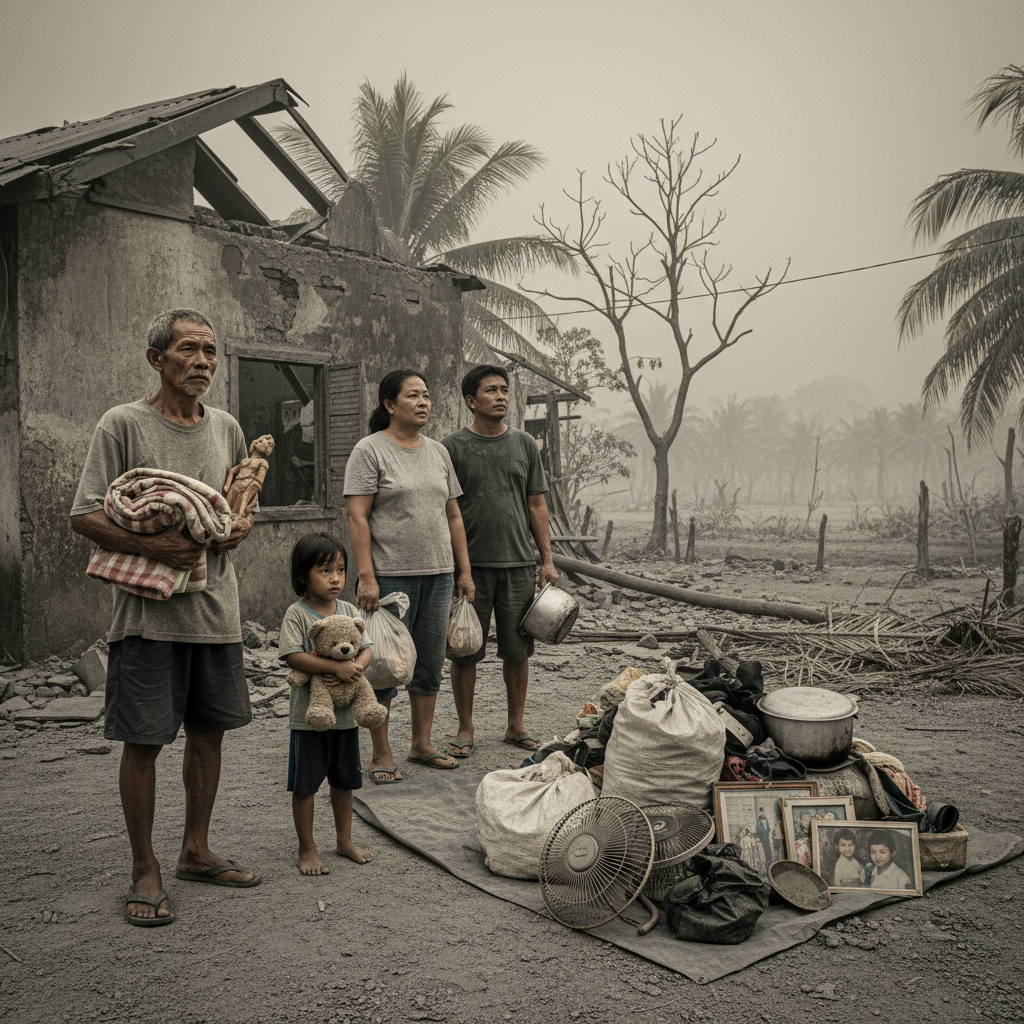
Recent reports indicate that over 300 families in the Philippines have been forced to evacuate their homes following an ashfall event from an unspecified volcano. This immediate displacement underscores the persistent challenges faced by many communities across the archipelago, particularly those living in close proximity to active geological formations.
Rapid Displacement and the Immediate Health Hazards of Volcanic Ash
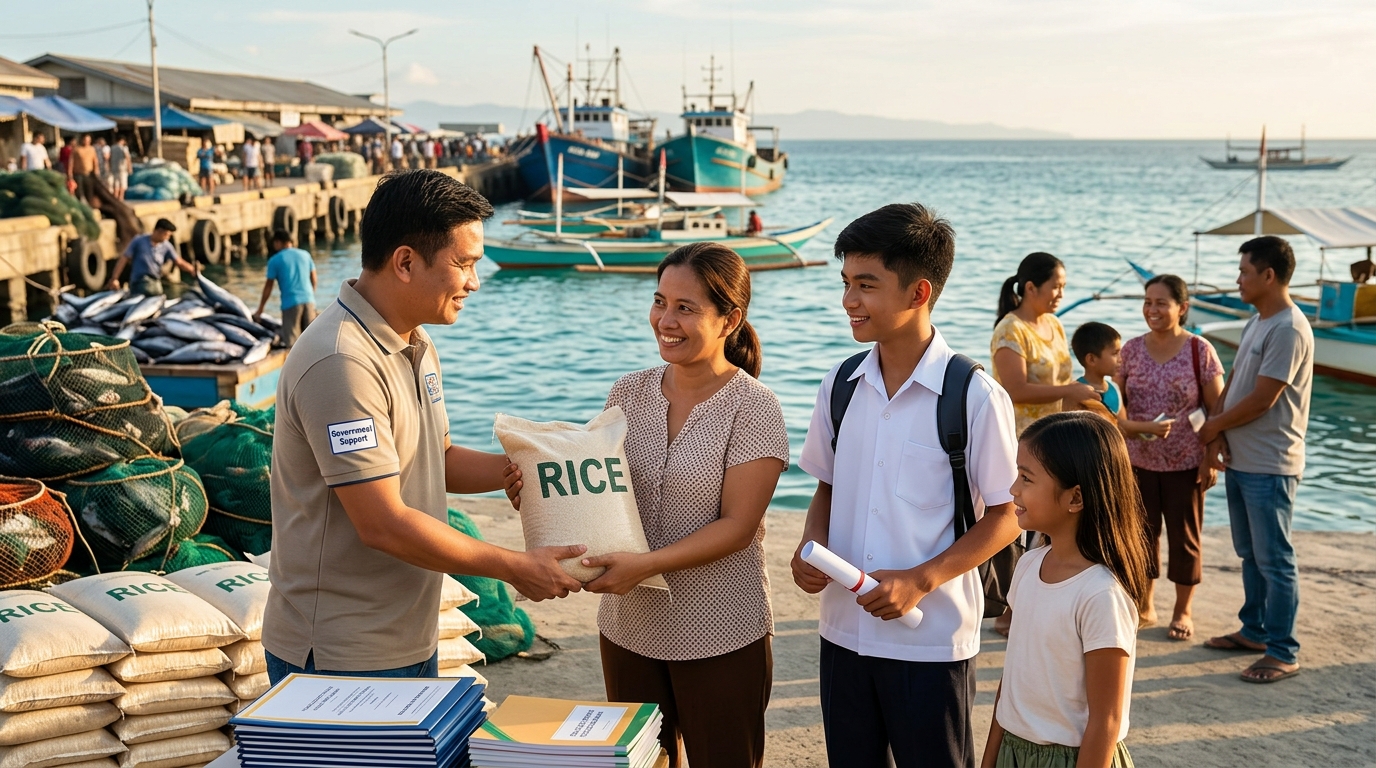
The sudden onset of ashfall often necessitates swift action to ensure the safety of residents, leading to temporary relocation to designated evacuation centers. Volcanic ash, while not always immediately life-threatening, can pose significant health risks, especially to respiratory systems, and can severely impact agriculture, infrastructure, and daily life. For the hundreds of families now in temporary shelters, the immediate concerns revolve around food, water, sanitation, and the uncertainty of when they can safely return home. The disruption extends beyond physical displacement, affecting livelihoods and the emotional well-being of those impacted.
The Economic Strain
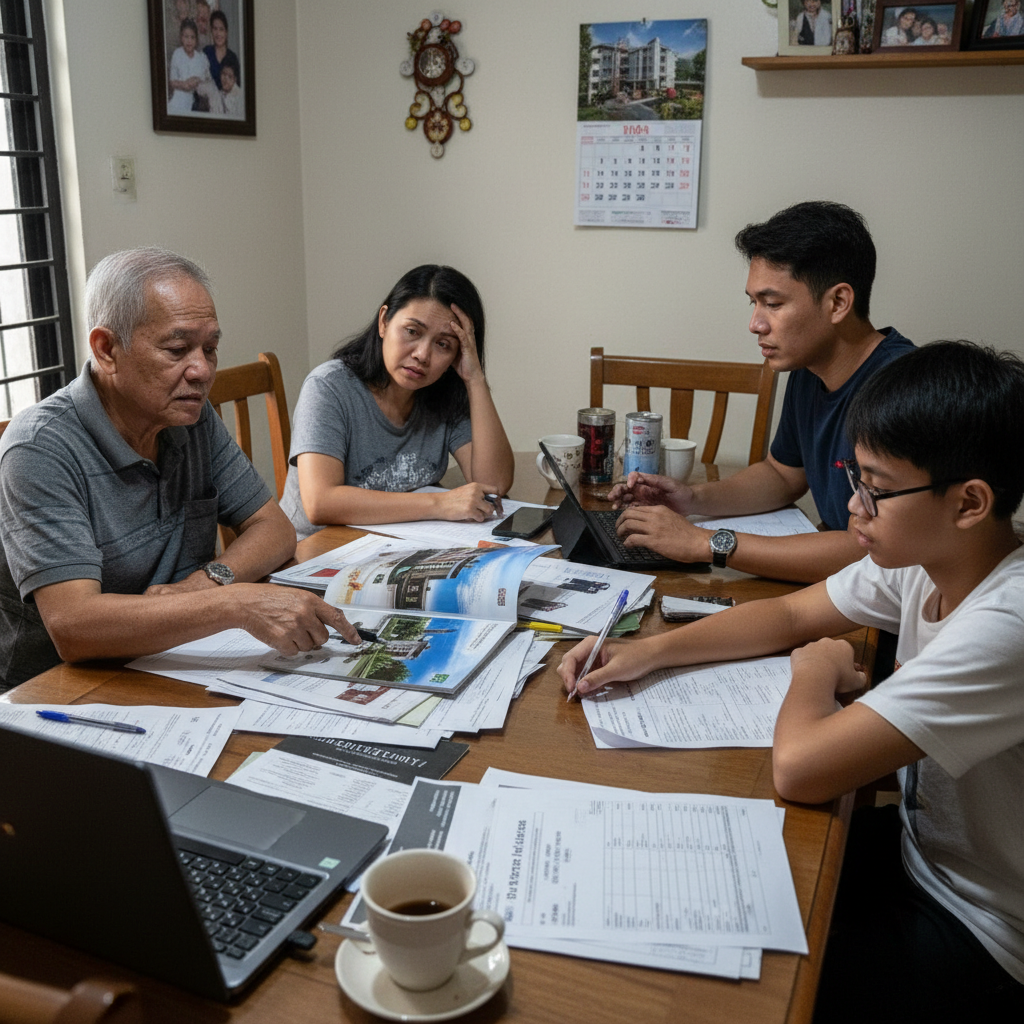
For Filipinos both within the country and those working overseas as OFWs, these events carry profound weight. Natural disasters frequently test the resilience of the nation, and each incident reverberates through families, communities, and even the national economy. The temporary loss of homes and livelihoods can create long-term financial strain, potentially affecting remittances from OFWs who might feel compelled to send additional support to their relatives. The agricultural sector, a primary source of income for many rural Filipino families, is particularly vulnerable to ashfall, which can smother crops and contaminate water sources, leading to food insecurity and economic hardship.
Proactive Disaster Preparedness and Community Reintegration
Filipinos residing in the Philippines, particularly in disaster-prone areas, are continually reminded of the critical need for robust disaster preparedness plans. This includes having emergency kits ready, knowing evacuation routes, and understanding the risks associated with local natural hazards. For OFWs and Filipinos living abroad, staying informed about the situation in the homeland is crucial. Checking in with family members in affected regions, offering support through established relief channels, and advocating for sustained aid efforts can make a significant difference. While the immediate focus is on humanitarian assistance, the broader implications for rebuilding communities and ensuring long-term stability remain a priority for the entire Filipino nation.