
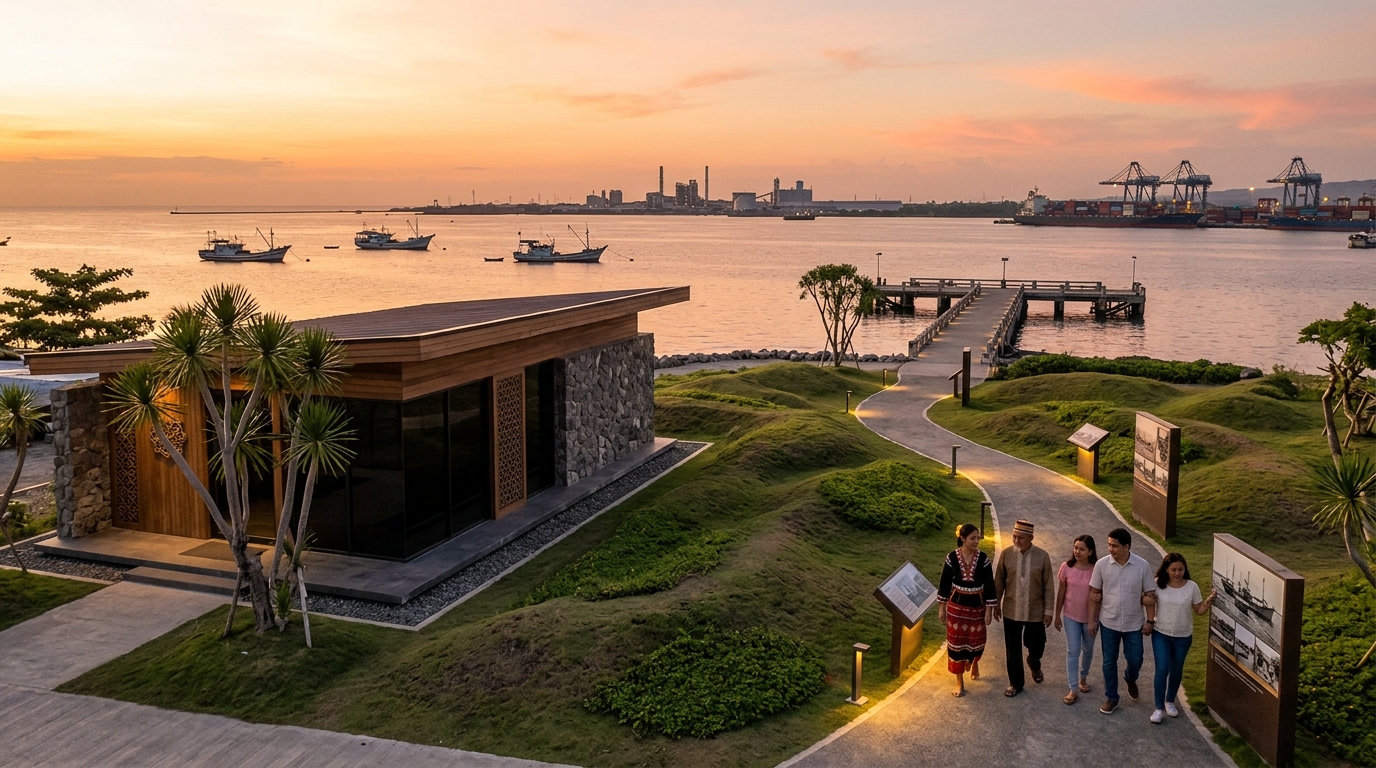
While the world knows General Santos City for its industrial grit and boxing legends, a sophisticated historical revival is taking place this May 2026. The city is currently pivoting toward "Ancestral Diplomacy," a movement that highlights its unique origin story as a harmonious convergence of the indigenous Blaan, the Moro people, and the 20th-century Christian pioneers. As of 2026, the local government has integrated this "Tri-people" narrative into its new urban masterplan, transforming sites like the original Lagao landing zone into interactive heritage hubs. For the modern traveler, GenSan is no longer just a transit point for the tuna trade but a deep-dive destination into the resilient spirit of Mindanao’s "Land of Promise."
From Thorny Trees to Pioneering Plaints
Long before the concrete wharves dominated the coastline, the region was a vast landscape of "Dadiangas" trees, named by the nomadic Blaan people who served as the land's original stewards. This indigenous foundation was layered with the arrival of Muslim missionaries from the Sultanate of Maguindanao in the 15th century, creating a rich, spiritual tapestry well before the modern era. During the city’s recent labor and heritage summit, local historians emphasized that this "pre-pioneer" era is the key to understanding the city’s environmental resilience. By acknowledging the Dadiangas roots, the city is successfully rebranding its urban identity around the concept of "Ancestral Continuity," attracting scholars and eco-tourists interested in Mindanao's pre-colonial past.
The 1939 Resettlement Experiment
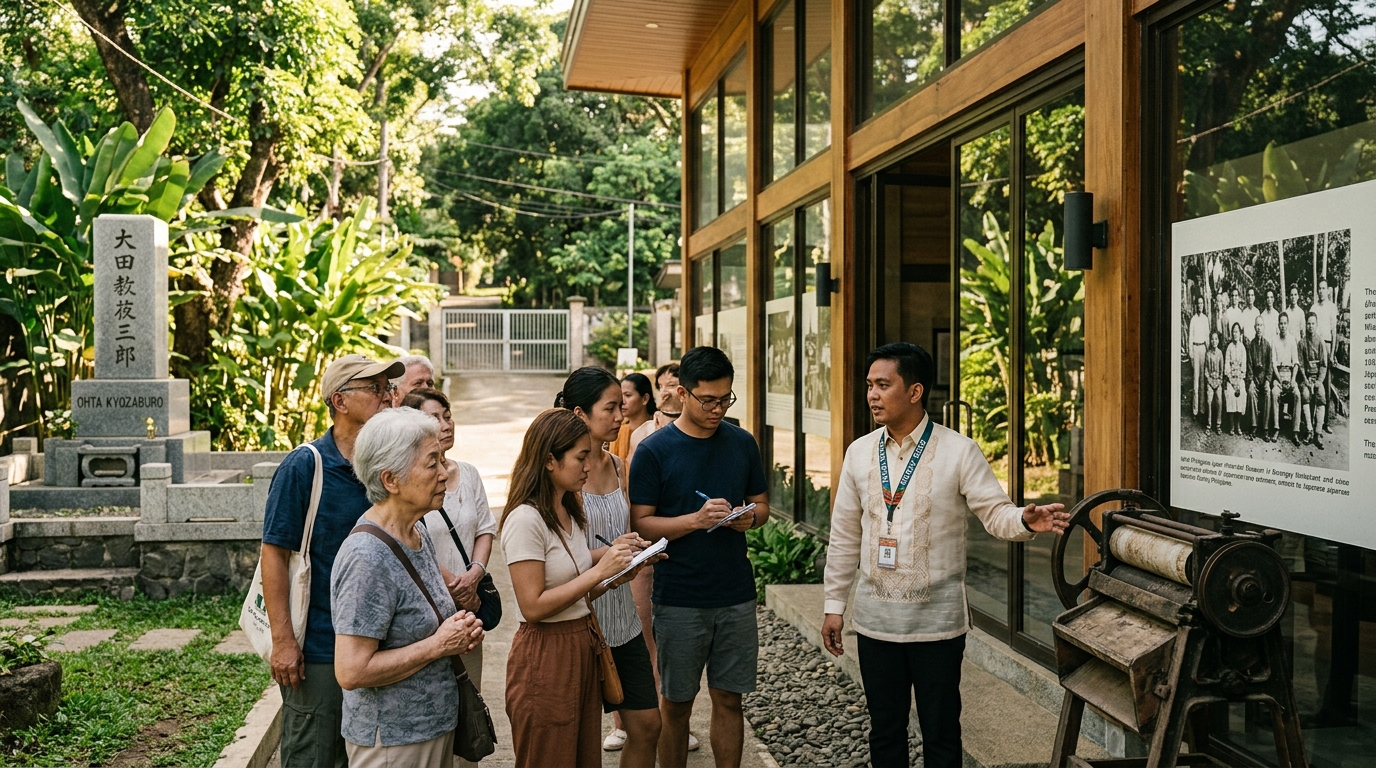
The modern trajectory of the city was permanently altered on February 27, 1939, when General Paulino Santos led 62 pioneers onto the shores of Sarangani Bay under President Quezon’s national resettlement program. This "Mission to Lagao" was a high-stakes social experiment designed to turn fertile, sparsely populated plains into a national breadbasket. This May, the city has unveiled restored archival footage and digital exhibits at the Makar Wharf, detailing how these first settlers integrated with the Blaan and Moro residents to build the first formal community. It is a story of survival and collaboration that serves as the 2026 benchmark for how diverse populations can build a shared economic future from the ground up.
The Industrial Metamorphosis
GenSan’s evolution from the municipality of Buayan to a chartered city in 1968 was fueled by a massive mid-century industrial boom that remains the backbone of the region today. The 1960s arrival of global corporations like Dole Philippines transformed the "thorny tree" plains into high-yield agricultural estates, while the development of the Makar Wharf solidified its status as a global gateway. The city is utilizing its low 1.9% inflation rate to subsidize heritage tours that take visitors through these historic industrial sites, blending corporate history with the "Blue Economy" of the tuna industry. This multi-layered approach ensures that GenSan’s 2026 identity is a balanced celebration of its indigenous roots, its pioneer grit, and its industrial future.